
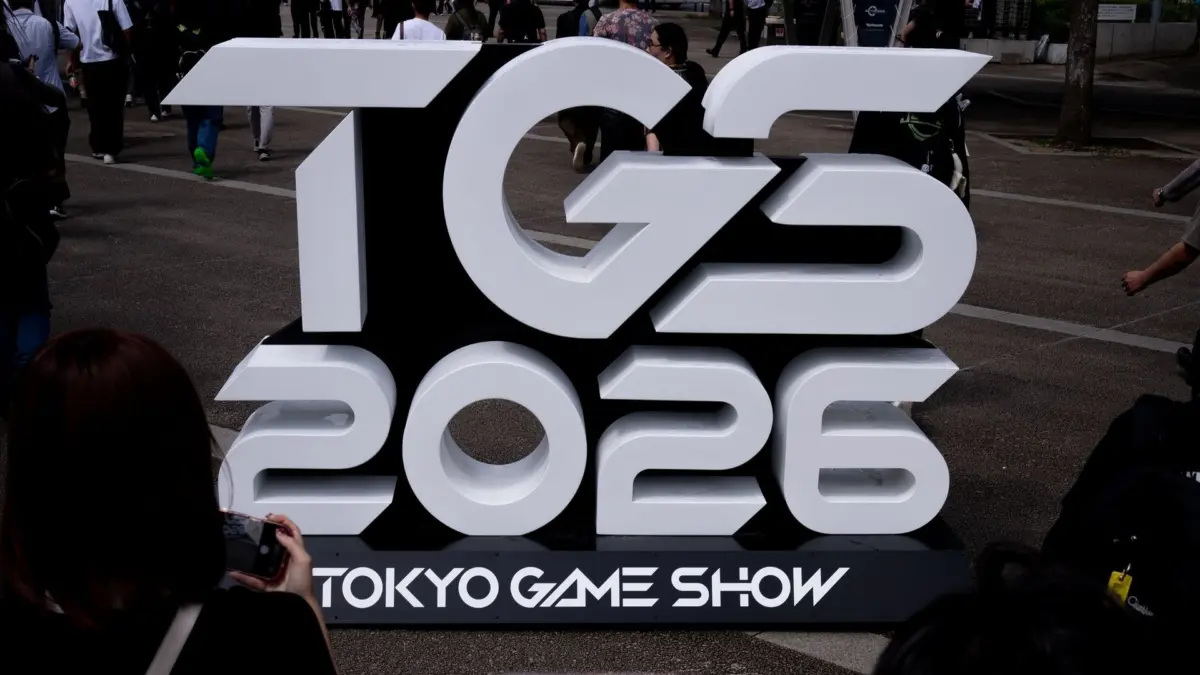
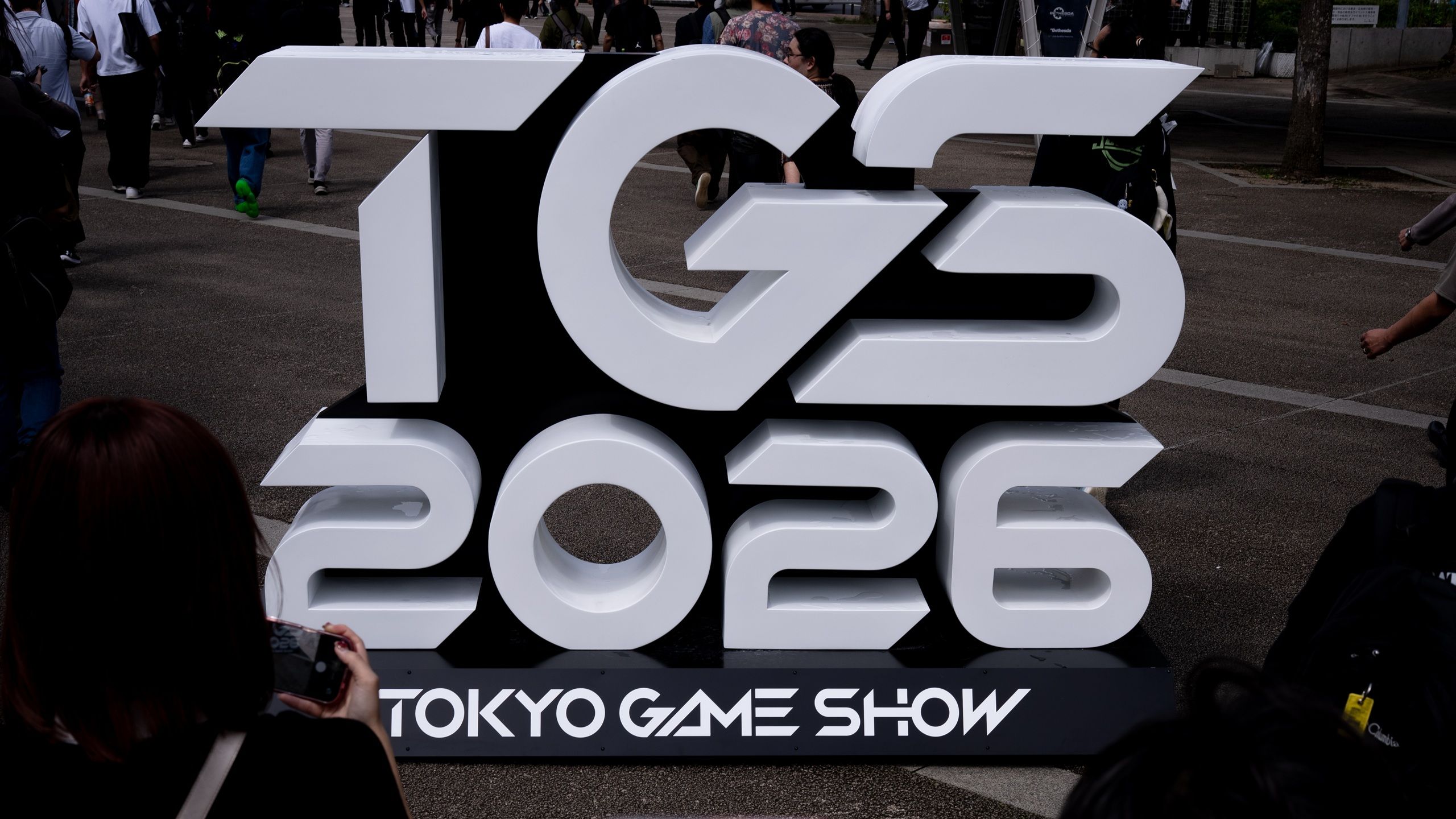
Organizers of the Tokyo Game Show have announced the unprecedented decision to cancel the final day of the landmark event, cutting short what was intended to be the first five-day exhibition in the convention’s 30-year history. Ticket holders scheduled to attend on Monday, September 21, will receive full refunds, while exhibitors, developers, and attendees scramble to adjust their travel and operational plans as severe weather closes in on the region.
The abrupt shutdown comes in response to the rapid approach of Typhoon Dujuan, the 25th named typhoon of the 2026 season. According to forecasts highlighted by the Japan Times, the storm is predicted to unleash severe weather conditions, dumping nearly 16 inches of heavy rainfall across the Kanto region, which includes the Greater Tokyo Area. Organizers issued an official statement via social media detailing the necessity of the cancellation, emphasizing that public safety remained their paramount concern.
"Due to the approach of Typhoon No. 25, strong winds and rain are expected to intensify in the afternoon and beyond, and disruptions to transportation are also a concern," event organizers wrote on Twitter. "Therefore, prioritizing the safety of all attendees, exhibitors, and related parties, as well as ensuring safe return home, we have decided to cancel the event for the entire day."
The unfolding weather crisis has already triggered widespread infrastructure disruptions throughout Japan. Major carriers, including Nippon Airways, have preemptively canceled numerous domestic and regional flights in and out of the affected areas. Meanwhile, the East Japan Railway Company has announced plans for full and partial suspensions across several vital commuter and express lines to prevent passengers from becoming stranded during the height of the storm.
For the massive convention, the sudden curtailment disrupts a milestone celebration. The decision to expand Tokyo Game Show to a five-day format for 2026 was meant to mark three decades of the world-renowned gaming exhibition. Instead, Mother Nature has intervened, restricting the physical convention floor to a shortened schedule. The show floor remained operational for Saturday and operated with potential modifications on Sunday, September 20. However, event organizers have not yet clarified how they intend to address logistical concerns, compensation, or support for publishers, hardware manufacturers, and independent developers who had rented out costly booth space specifically for the ill-fated final day.
Despite the disruptions on the ground, the digital footprint of the convention continued to reach global audiences. Media outlets and industry participants who traveled to Chiba, Japan, for the exhibition maintained their programming through online streams. Among them, teams on the ground participated in annual showcase broadcasts, including the PC Gaming Show: Tokyo Direct, which featured a packed lineup of developer interviews, deep dives, and worldwide trailer premieres for upcoming video games. Viewers who missed the live broadcast due to the unfolding weather developments or scheduling changes can still access the video-on-demand version through official streaming channels or browse comprehensive roundups detailing every major announcement made during the presentation.
As Typhoon Dujuan continues to track across the region, local authorities and transit networks urge residents and stranded travelers to remain indoors and monitor official meteorological updates. For the gaming industry, Tokyo Game Show 2026 will undoubtedly be remembered not only for its milestone anniversary and the exciting software showcased throughout the week, but also for the dramatic meteorological finale that brought a premature close to a historic gathering.