
Today, Atlus is widely recognized as a powerhouse in the Japanese role-playing game industry, largely due to the massive, mainstream success of franchises like Persona, Etrian Odyssey, and Trauma Center. Beyond its own flagship titles, the company spent years championing and publishing niche, inventive RPGs from smaller Japanese developers that might otherwise have languished overseas and never reached North American audiences. That extensive history is certainly worthwhile, forming a rich legacy that modern fans deeply appreciate. However, it also means that when newer players—those who grew up falling in love with the friendly social loops, calendar mechanics, and fun school field trips found in contemporary JRPGs—dig backward into the publisher’s historical catalog looking for more of the same, they are often greeted by a much darker, starker side of the developer’s identity that they might never have expected.
Back in 2006, Atlus localized Persona 3 in North America under the title Shin Megami Tensei: Persona 3, an intentional decision that explicitly linked the stylish high-school spinoff to its established, hardcore dungeon-crawling mother series, which had maintained a dedicated cult following in Japan since the very first Nintendo Entertainment System installment debuted in 1987. Atlus had first introduced the broader Shin Megami Tensei franchise to the Western market a couple of years prior with Shin Megami Tensei: Nocturne in 2004. That title offered a bleak, foreboding, and unapologetically punishing gameplay loop explicitly designed to satisfy JRPG diehards who craved a stiff challenge. Yet, following Atlus’ breakout, mainstream commercial success with the third Persona installment, industry watchers openly wondered if the publisher would abandon the punishing difficulty and esoteric themes of the mainline Shin Megami Tensei series entirely. Then, an unexpectedly dark Nintendo 3DS project arrived to prove that Atlus could still embrace its hardcore roots, even in a world where Persona 3 and its successors were thriving commercially.
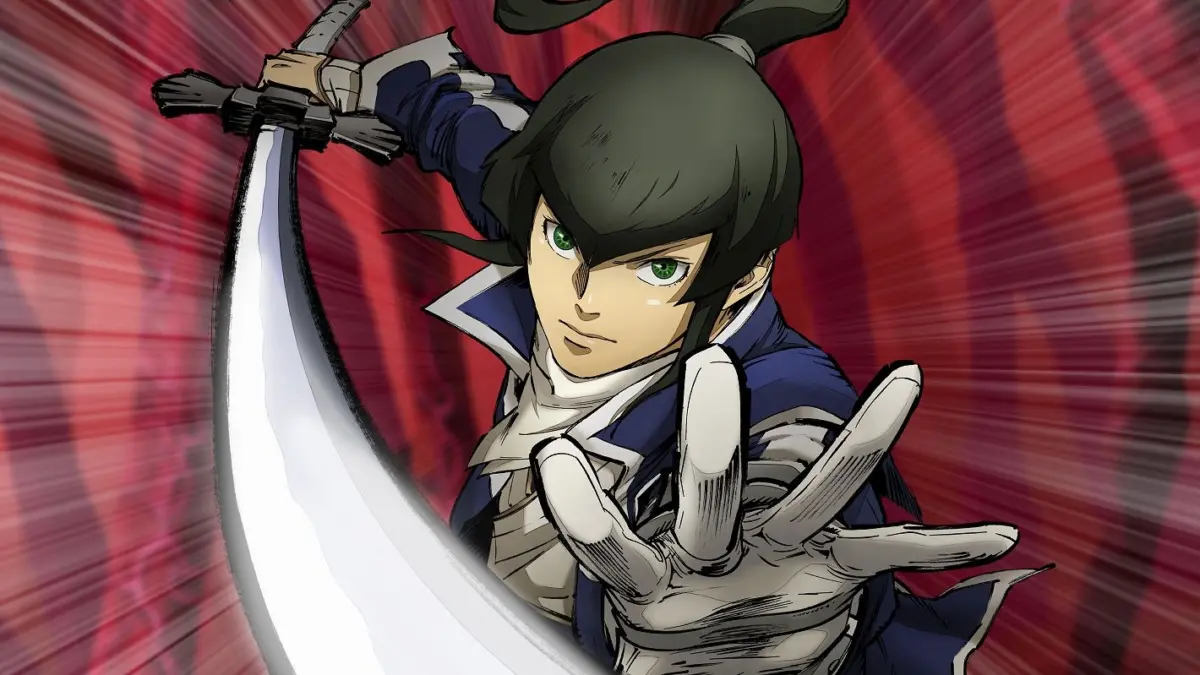
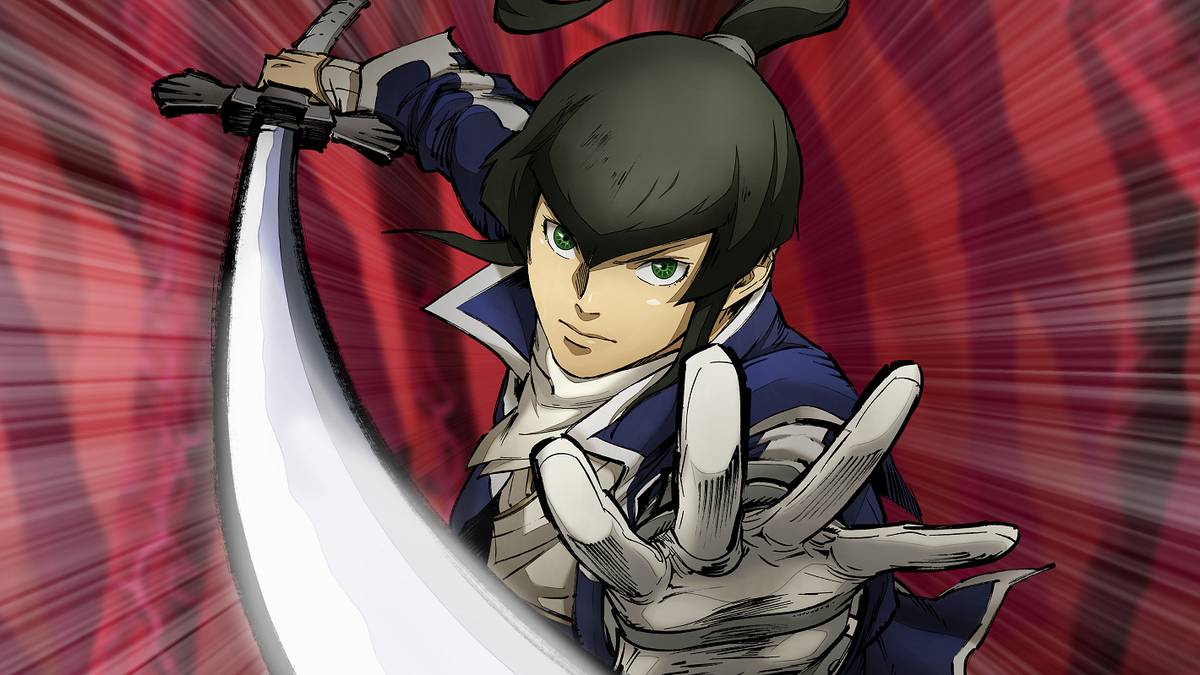
Released on May 23, 2013, in Japan and brought to Western shores just two months later, Shin Megami Tensei 4 was the uncompromising sequel that hardcore series fans had been craving for the better part of a decade. Instead of relaxing visits to hot springs, leisurely after-school hangouts, or sunlit beach trips, players were immediately thrust into navigating a post-apocalyptic hellscape that had once been the bustling metropolis of Tokyo. They were forced to roam claustrophobic, foreboding corridors populated by bloodthirsty demons, attempting to negotiate with and recruit some of them while facing the looming, terrifying prospect of total human extinction.
As later demonstrated by the 2021 release of Shin Megami Tensei 5, Atlus has successfully managed to keep both the mainline Shin Megami Tensei and the spin-off Persona franchises running strong in parallel. Yet, Shin Megami Tensei 4 launched during an era when that dual-franchise future felt deeply uncertain, and it achieved this feat on hardware few industry observers expected to handle such a massive, atmospheric RPG: the Nintendo 3DS. True to the heritage of Nocturne, the game was dark, brutal, and uncompromising. To celebrate its arrival, Atlus packaged physical copies with special bonuses, including a compact disc featuring eerie, atmospheric musical selections and a substantial 176-page "Strategy & Design Book" produced in collaboration with strategy guide publisher Prima Games.
Much like its acclaimed predecessors in the lineage, Shin Megami Tensei 4 heavily relies upon the iconic Press Turn combat system. While the combat unfolds strictly within a turn-based framework, simply hammering attack commands or thoughtlessly spamming your most powerful offensive spells will lead to swift and humiliating defeat. The tactical setup forces players to thoroughly familiarize themselves with an expanded, punishing elemental affinity system. By striking enemies with their specific elemental weaknesses, players can secure critical extra turns during each round of combat. Conversely, utilizing an incorrect ability or hitting a target that nullifies or reflects the element yields the opposite effect, wasting precious actions, inflicting minimal damage, and leaving the party entirely vulnerable to devastating counter-attacks. While regular wandering mobs rarely pose an insurmountable threat provided a player pays attention, walking into a major boss battle unprepared is a surefire way to experience intense tactical pain.
Encounters begin organically when the player physically collides with enemy sprites wandering the overworld maps, a system that feels only nominally different from the traditional random encounters found in classic 15-bit and 32-bit era JRPGs. Many of the game’s environments are designed to be dark, narrow, and confined, leaving little to no hope of successfully evading combat once an aggressive adversary locks onto the player’s position. Even when lower-level mobs can be easily bypassed, a certain amount of deliberate grinding remains necessary to survive. Players need to continually gain experience levels and improve their statistical attributes just to stay afloat. Furthermore, the very demons that players battle in the field can be negotiated with and recruited—a defining series convention that actually predates the initial launch of the Pokémon franchise. Once subdued, these domesticated demons can be fused together in dark ritual chambers to unlock exponentially more powerful new allies, a loop that proves deeply compelling and easily occupies motivated players for dozens of hours of experimentation.

Beyond its tactical mechanics, Shin Megami Tensei 4 presents a rich, highly imaginative narrative featuring fascinating world-building and lore centered around a powerful, mysterious dome that completely covers Tokyo. As is customary for the franchise, the protagonist’s moral alignment and behavioral trajectory along the way are entirely dictated by the choices made by the player. The decisions chosen throughout the journey determine whether the main character, Flynn, ultimately transforms into the world’s noble savior or evolves into one of its greatest existential threats, potentially falling in league with dark, fanatical angels who seek to cleanse the city through absolute destruction. The inclusion of multiple distinct narrative endings gives dedicated players ample reason to replay the lengthy campaign multiple times. Atlus eventually expanded upon this universe with the release of a follow-up title, 2016’s Shin Megami Tensei 4: Apocalypse, which explored alternate events and branching paths within the same overarching, ruined world.
The overarching Shin Megami Tensei franchise remains distinctively dark, atmospheric, and demanding, flourishing in psychological shadows in ways that the now vastly more popular Persona series simply does not attempt. Shin Megami Tensei 4 brilliantly narrowed the philosophical gap between the two dominant branches of the greater MegaTen umbrella, yet it managed to do so without sacrificing any of the grit, challenge, and depth that made long-time fans fall in love with the older titles in the first place. The resulting experience occupies a rare, satisfying middle ground between hardcore purity and modern accessibility, featuring just enough structural nods toward the latter to provide a deeply compelling adventure for a wider audience without alienating veterans.
Atlus has consistently proven that it is never averse to remastering or remaking its past commercial and critical hits for modern gaming hardware. The company famously rolled out Persona 4: Golden on the PlayStation Vita to widespread acclaim, and upcoming projects like Persona 4 Revival demonstrate an ongoing commitment to revitalizing classic catalog entries for contemporary audiences. With these modern ports and revivals occupying headlines, many dedicated fans are left hoping that the next logical step for the publisher will be to rescue Shin Megami Tensei 4 from legacy hardware, making it broadly available on modern platforms so players are no longer restricted to experiencing its vast, sprawling world on tiny Nintendo 3DS screens. More than a decade after its initial release, overcoming that hardware limitation might just be the most difficult challenge of all.