
It is one of the most famous pieces of trivia in PC gaming history: long before it became the massive post-apocalyptic open-world franchise known today, the original Fallout was designed to run on the rules of GURPS—the Generic Universal Role-Playing System—published by Steve Jackson Games. That crucial partnership between developer Interplay and the tabletop publisher eventually collapsed, forcing the studio to hastily pivot to its own proprietary S.P.E.C.I.A.L. system just months before release.
While the general breakdown of the deal has long been attributed to creative differences, newly surfaced details and historical records shed fresh light on the granular clashes that drove the two companies apart. According to Fallout co-creator Tim Cain, one of the primary casualties that Steve Jackson Games demanded to see removed from the project was none other than Vault Boy, the iconic, grinning blonde mascot who has since become the face of the entire franchise.
In a recent retrospective video detailing the history and creation of Vault Boy, Cain explained that representatives from Steve Jackson Games specifically singled out the cartoon mascot, arguing that he did not fit the tone they envisioned for the post-nuclear role-playing game.
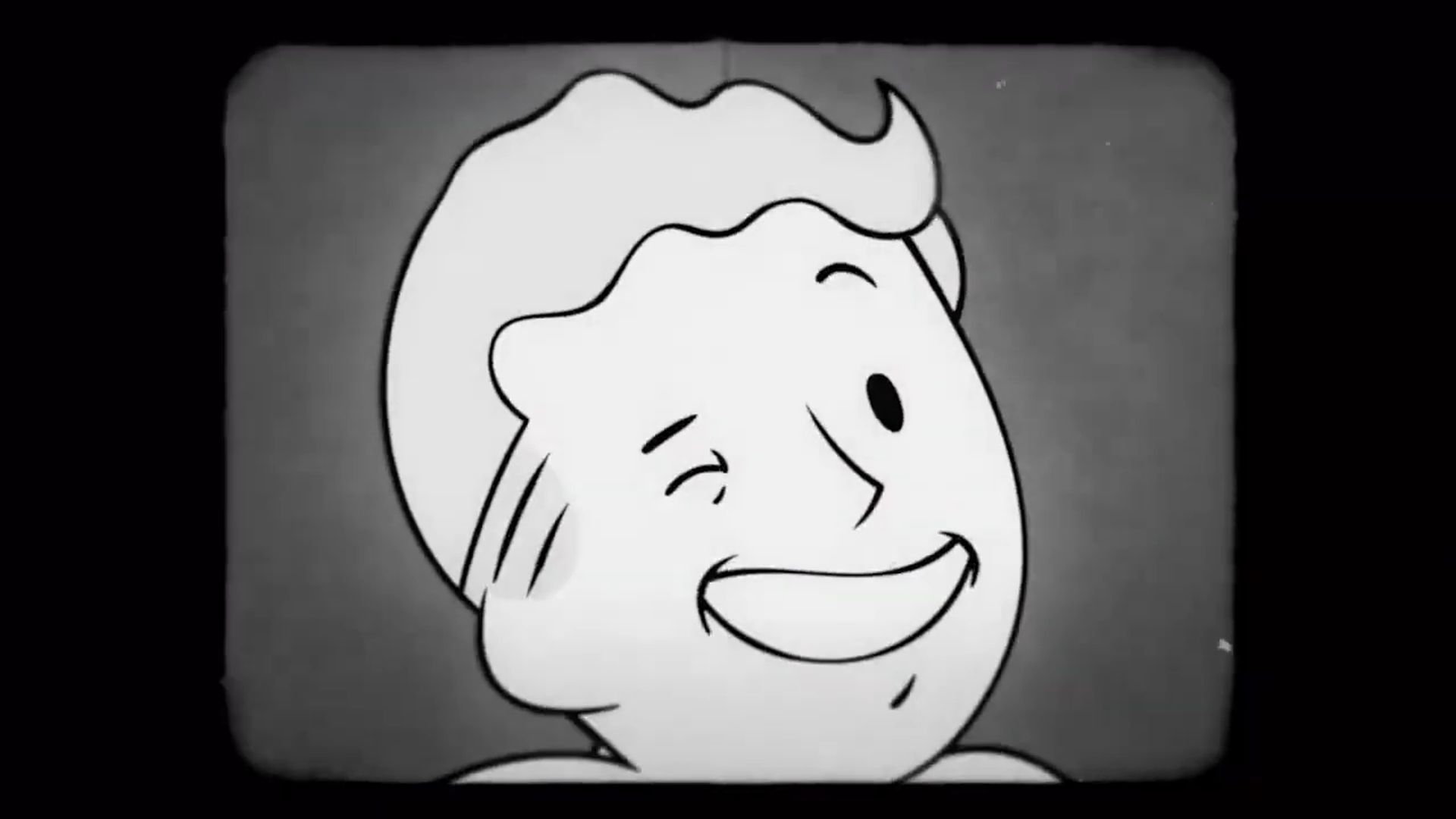
"Among other things that Steve Jackson Games didn’t like about Fallout was Vault Boy," Cain explained in the video. "They specifically singled out Vault Boy as needing to be removed. They didn’t like it. We explained the Monopoly reference, they didn’t like it. They thought it tonally didn’t fit. Keep in mind we had already done the cinematic and they didn’t like it there. There’s other things in the cinematic they didn’t like, but they didn’t like Vault Boy there either."
The rejection of Vault Boy was part of a broader, systemic disagreement over the artistic direction and visual presentation of Interplay’s fledgling computer role-playing game. Over the years, the narrative surrounding the split has often featured conflicting perspectives from the key players involved. Steve Jackson himself has maintained that he was largely unaware of a terminal crisis in the partnership until a journalist reached out to him out of the blue, asking for a quote about the deal coming to an end. On the Interplay side, however, staff members frequently pointed to Jackson’s intense distaste for the game’s notoriously violent opening cinematic as a major catalyst for the dispute.
Archival reporting from the era helps fill in the gaps of what transpired behind closed doors during the late-90s development cycle. In the April 1998 issue of PC Gamer, former RPG columnist Michael Wolf spoke directly with Interplay executive Feargus Urquhart to unpack the precise grievances held by Steve Jackson Games.
"He didn’t like the violence in the introduction, Urquhart says; he wanted to make the game’s characters bigger, with more details on the weapons; and he didn’t like the little characters that represent the different skills in the game—in fact, he wanted those Monopoly-style cartoon characters pulled out," Wolf wrote at the time, detailing the friction between the tabletop publisher and the digital development team.
According to Urquhart’s account from the period, the situation devolved into a protracted back-and-forth over contract interpretations and creative oversight. The agreement apparently granted Steve Jackson Games broad authority over the environmental context in which their GURPS license could be deployed—a clause described by developers as frustratingly vague. As negotiations stalled and tensions reached a breaking point, Jackson reportedly indicated that if Interplay proceeded with the game in its current, contested state, legal action would follow.
Faced with the prospect of crippling bureaucratic delays, red tape, and potential litigation, Interplay made the bold and risky decision to drop the GURPS license entirely. The developers scrambled to rewrite the underlying game mechanics into their own system, paving the way for the creation of S.P.E.C.I.A.L. and freeing the artistic team to lean fully into their distinct visual style.
It is difficult to overstate how drastically different Fallout would look today had Interplay bowed to outside pressure. Vault Boy has grown to become an indispensable pillar of the franchise’s identity, appearing on everything from perk menus and Pip-Boy interfaces to official merchandise and television adaptations. As Cain points out, the decision to maintain consistent, easily readable cartoon illustrations for the game’s sprawling array of skills and perks—even when scaled down to tiny icon sizes within the user interface—proved to be an invaluable design choice.
Ultimately, walking away from the GURPS tabletop system allowed Interplay to forge an uncompromised artistic vision. By refusing to scrap their signature mascot or tone down the grit of their wasteland, the creators secured a unique visual identity that survived the messy fallout of a broken licensing deal and went on to define generations of role-playing games.