
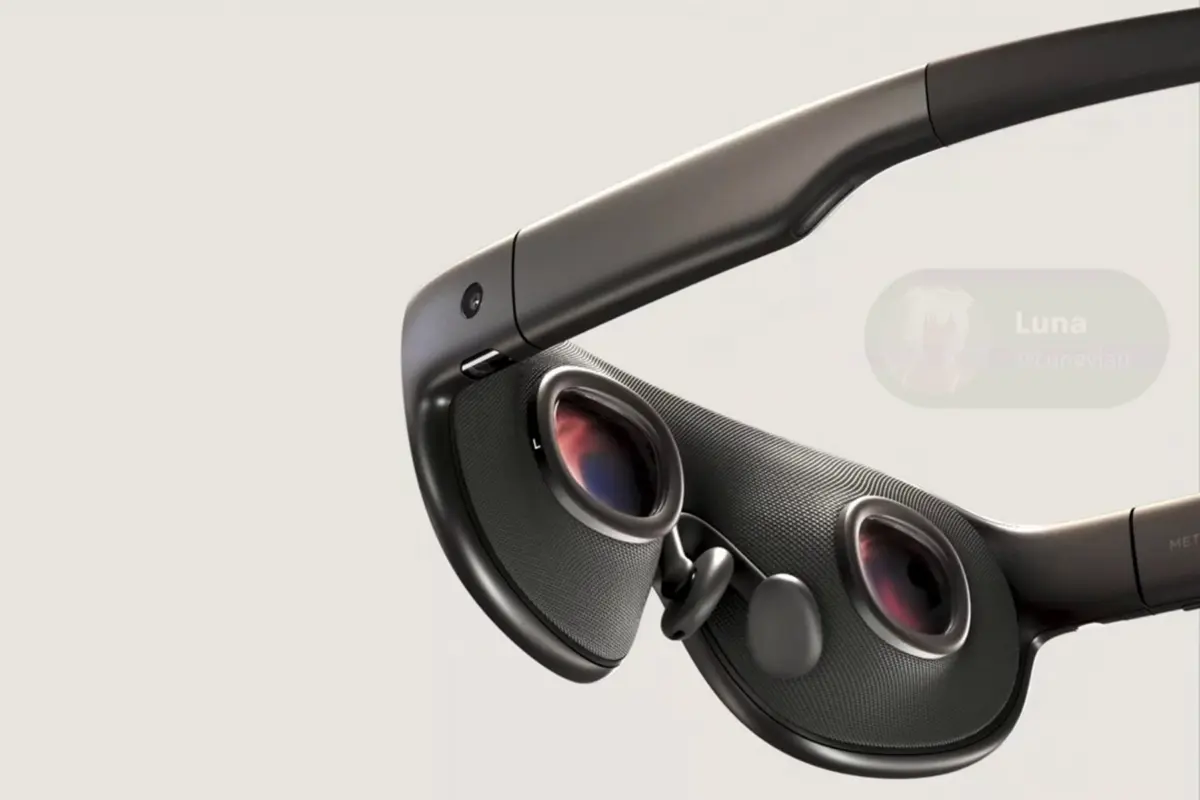
The upcoming annual developer conference, scheduled to take place from September 23 to 24, has already been a frequent topic of discussion across the extended reality community. Excitement reached a fever pitch recently when images of Meta’s highly anticipated Project Phoenix headset leaked online, all but confirming that the device will take center stage at the upcoming event.
Adding fuel to the fire, a new report from The Information indicates that Meta is gearing up for a major live demonstration of Project Phoenix that will heavily feature these "hologram-like video calls." Sources familiar with the matter suggest that this ambitious demo will leverage an advanced iteration of Meta’s ultra-realistic Codec Avatars, a long-term research and development project that the company has been quietly refining for over a decade, dating back to its initial public reveals in 2015.
Insiders close to the company report that Meta CEO Mark Zuckerberg and CTO Andrew Bosworth are expected to personally unveil this cutting-edge avatar calling experience live on stage during the main keynote speech at Connect. While the exact scope of the presentation remains tightly under wraps, industry observers are eager to learn whether the live demo will signal a full commercial rollout for Codec Avatars or if it will simply serve as another technical preview of ongoing research, mirroring similar showcases from previous years.
Regardless of whether consumers gain immediate access to the feature, the introduction of Codec Avatars stands to significantly shift the competitive landscape in the spatial computing sector. Most notably, the technology has a strong chance of positioning Meta on much more equal footing with Apple, whose Vision Pro "Personas" feature currently sets a high standard for accuracy, realism, and immersion in mixed reality communication.
For many years, Meta’s virtual avatars were defined by a distinctly cartoony and stylized aesthetic. This design choice largely aligned with the company’s broader metaverse ambitions of the early 2020s—a strategic focus that has since evolved and softened as Meta pivots its hardware and software priorities toward artificial intelligence and sleek smart wearables.
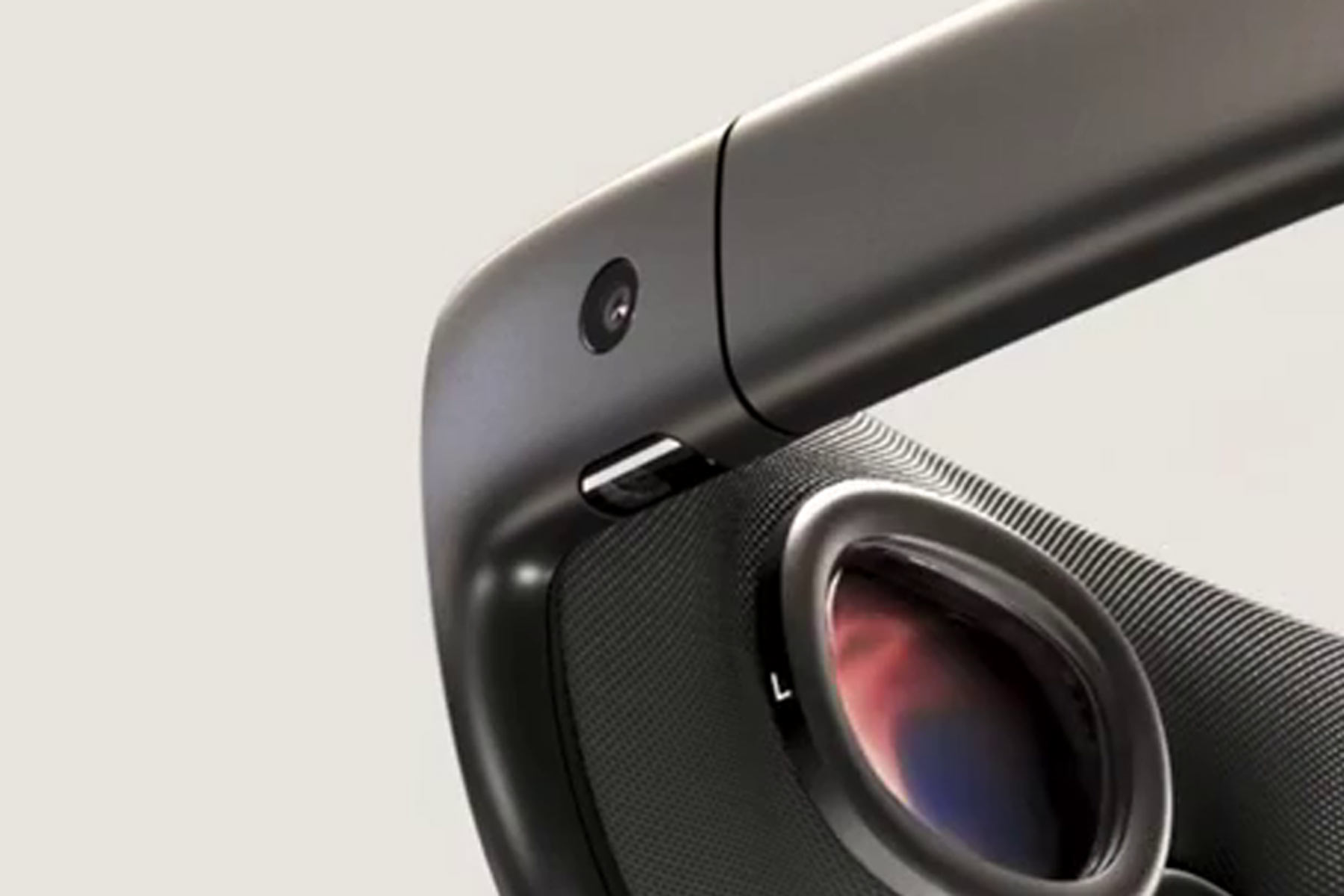
The evolution of these avatars reflects a broader maturation of Meta’s hardware ecosystem. Project Phoenix itself ostensibly marks the next major evolutionary phase for the company’s extended reality hardware ambitions. Moving away from the heavier, all-in-one standalone designs of the past, Project Phoenix reportedly features a remarkably slim and lightweight mixed reality headset framework. To achieve this featherlight profile on the user’s face, the hardware cleverly tethers to a pocketable compute puck. By offloading the primary processing power and battery weight from the headset to a device carried in a pocket or worn on a belt, Meta aims to drastically reduce neck strain and dramatically increase long-term user comfort during extended working and social sessions.
As the tech industry turns its attention toward the upcoming developer conference, the combination of a cutting-edge ergonomic headset design and jaw-dropping photorealistic communication tools promises to make this year’s event one of the most consequential in the company’s hardware history. Industry analysts and enthusiasts alike will be watching closely to see how these advanced virtual communication tools perform in real-world conditions and what roadmap Meta lays out for their eventual integration into the daily digital lives of consumers and enterprises alike.
We will be live at Connect 2026 next week to bring you breaking coverage, hands-on impressions, and deep dives into all the major virtual reality and augmented reality announcements to emerge from one of the industry’s most important annual conferences.