
As players dive deeper into the massive world of Fire Emblem: Fortune’s Weave, navigating the game’s intricate web of causality requires careful planning, especially when it comes to character recruitment and campaign progression. While the game features a pair of critical deadlines that might seem intimidating at first glance, the system itself offers a surprising degree of flexibility—though with one major, irreversible caveat that players must keep in mind before pushing too far into the narrative.
According to recent details surrounding the tactical role-playing game developed by Intelligent Systems and published by Nintendo, players face two distinct thresholds during their campaign. The first of these arrives as a soft deadline on November 27, marking the conclusion of each Flame Lord’s initial narrative arc. Until the moment players initiate the final quest on that specific calendar day, they retain the freedom to pivot and recruit various characters to their side.
Unlike the rigid structures seen in titles like Fire Emblem: Three Houses, this November deadline is far from absolute. Once players clear that initial act, the game permits them to replay any completed chapter within that section. This replay functionality serves as a vital tool for those looking to recruit missed characters, experiment with alternative unit training paths, or clear specific paralogues. Furthermore, the game imposes no restrictions on how many times a chapter can be replayed.
However, utilizing this feature comes with a notable time investment. For any modifications or recruitment choices made during an Act 1 replay to carry over into subsequent acts, players must replay the entirety of that Act 1 section from that point forward. Because of this tedious requirement, critics and seasoned players suggest that if a player’s primary objective is simply picking up a missed character, and they intend to experience a second, third, or fourth route anyway, it is often more efficient to secure those units during a subsequent playthrough rather than grinding through previous chapters.
The situation changes dramatically, however, when players approach the game’s true and absolute threshold: the start of Act 3.
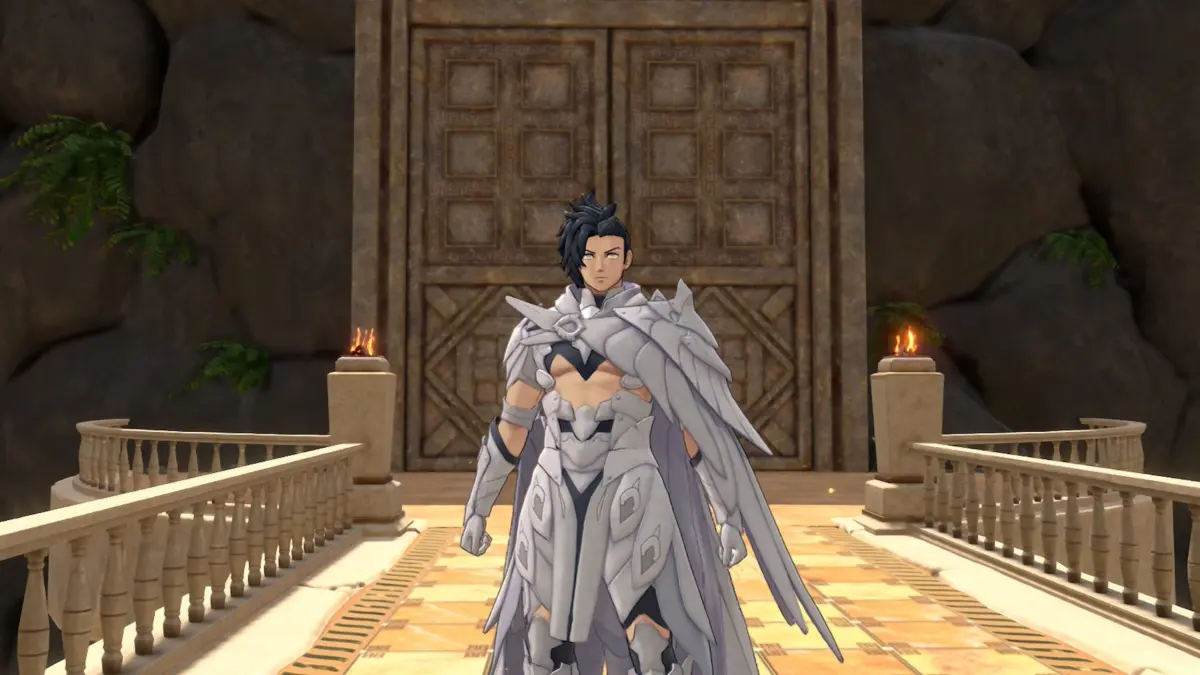
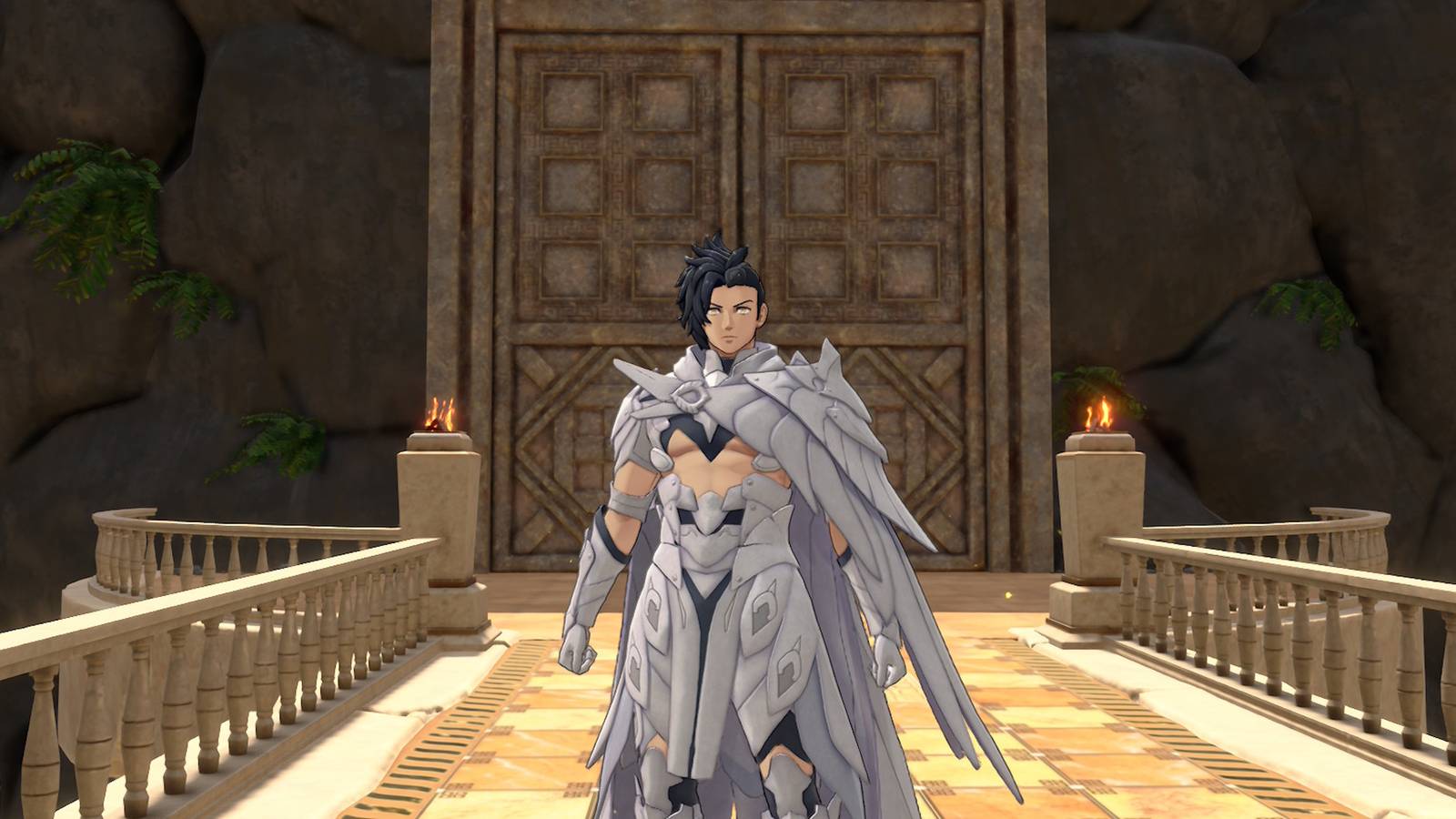
Upon reaching the Door of Destiny—regardless of whether the player has chosen to complete or skip the preceding War Arc—the game prompts an automated review displaying which Flame Lords will accompany the main avatar character moving forward. This moment serves as the final, irrevocable point of no return for the entire campaign.

Before crossing this threshold, players must ensure they have completed all necessary paralogues or revisited Act 1 scenarios if they wish to secure additional Flame Lords or roster members. While players can bring figures such as Dietrich, Theodora, Leda, and Cai into Act 3 by clearing their respective paralogues without finishing their full acts, doing so forces them to participate purely as guest characters. Under this guest status, players lose direct control over their assigned classes and inventory management, highlighting why early preparation is vital. For any other standard characters, failing to recruit them before this moment means they will simply remain absent for the entirety of Act 3.
While the game does allow players to step back from Act 3 to merge character data gathered across different narrative paths, this mechanic has strict limitations. Merging does not function as a backdoor for late recruitment. Instead, data integration is exclusively restricted to characters the player has already successfully recruited on multiple independent routes. By spending Karma Shards—the same currency utilized for unlocking Boons of Salvation—players can combine stats from separate paths to forge a significantly more powerful version of an existing unit, rather than adding fresh faces to their roster.
As Fortune’s Weave continues to captivate the strategy community with its sprawling campaigns, understanding these temporal constraints helps prevent costly oversights. Whether players are weighing which character route to embark on first, determining how to seamlessly change heroes, or debating the merits of playing on casual versus classic mode, managing these recruitment windows remains a central pillar of mastering Nintendo’s latest tactical adventure.