
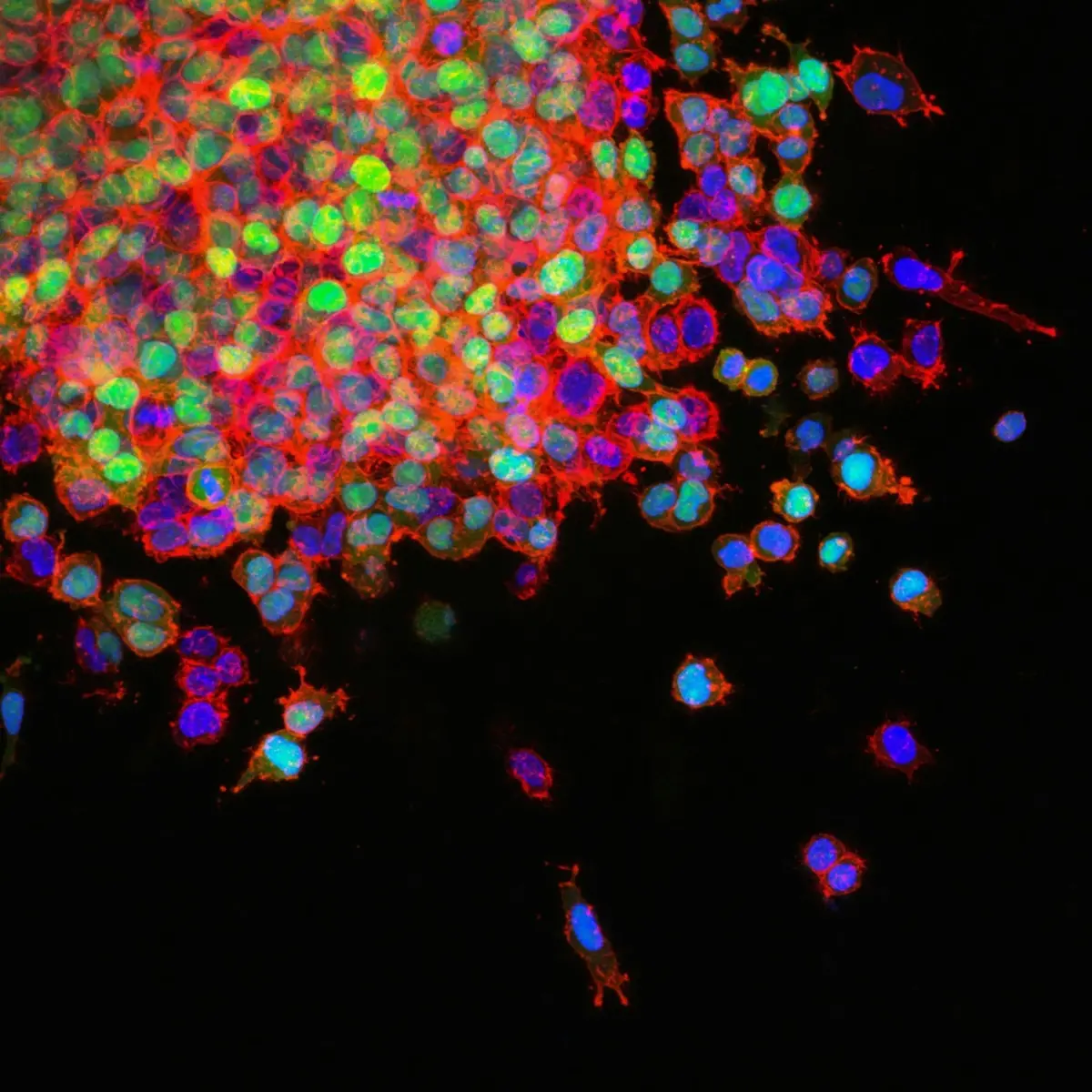
At just three years of age, a young boy had already been through the arduous and exhausting medical ringer. A malignant tumor roughly the size of a large orange had invaded his liver and subsequently spread to his lungs, plunging his family into a grueling medical nightmare. Multiple invasive surgeries and aggressive rounds of chemotherapy temporarily cleared the cancer, offering fleeting moments of relief. However, the respite was short-lived, and the aggressive disease rapidly roared back.
With few conventional treatment options left on the table, his desperate parents made the momentous decision to enroll him in an experimental CAR T cell therapy clinical trial. The groundbreaking medical approach, which involves genetically reprogramming a patient’s own immune cells to recognize and destroy malignant invaders, has fundamentally transformed the treatment landscape for stubborn, treatment-resistant blood cancers like leukemia and lymphoma. But when it comes to solid tumors, including pediatric liver cancer, CAR T-cell therapy has historically fallen frustratingly short, struggling against the complex biological fortresses erected by solid malignancies.
The clinical trial, spearheaded by the Baylor College of Medicine in Texas alongside a network of dedicated collaborators, is specifically testing CAR T cells engineered to hunt down and destroy cancer hidden deep within vital organs. These advanced cellular therapies carry special inserted genes that help them grow, multiply, and persist within the body, as well as a specialized safety mechanism known as a "kill switch" designed to rein them in if their activity becomes hazardous. While these sophisticated cells had previously shown considerable promise in preclinical mouse models, utilizing them to treat a young toddler whose body was already severely weakened by grueling prior interventions was an undeniable and high-stakes medical gamble.
That gamble ultimately paid off. Following two targeted infusions of CAR T cells manufactured directly from the young boy’s own immune cells, his widespread cancer completely disappeared. A critical clinical biomarker closely associated with liver cancer plummeted back to normal ranges, and remarkably, he experienced no dangerous or systemic side effects throughout the process. A year later, clinical evaluations confirmed he remained entirely cancer-free. The remarkable story of his complete recovery and subsequent clinical monitoring was published this month in the New England Journal of Medicine, sending ripples of excitement through the pediatric oncology community.
Although it currently represents just a single clinical case study, the unprecedented results demonstrate that a durable, complete response in a chemotherapy-resistant solid tumor can be achieved entirely in the outpatient setting without inflicting systemic toxicity, noted study author Dr. David Steffin at Texas Children’s Hospital in an official press release.
If these promising clinical benefits hold up when tested in other patients—including those battling larger, more aggressive, or faster-growing solid tumors—the innovative approach could eventually help banish several types of solid cancers that have stubbornly evaded standard medical treatments for decades. The clinical trial is currently active and recruiting participants between the ages of one and 21 years old, with an initial overarching goal of testing up to 30 patients. If successful, this therapeutic strategy could fundamentally change the course of many lives and open an entirely new chapter in modern oncology.
Broader Aim
Solid cancer has long remained the ultimate nemesis of CAR T-cell therapy. The foundational mechanism of the treatment involves extracting a patient’s immune cells, known as T cells, and genetically equipping them in a specialized laboratory with artificial molecular "hooks." These hooks are designed to precisely latch onto specific targets, known as antigens, displayed on the surfaces of certain malignant cells.
In current FDA-approved therapies, this process is followed by a brief round of conditioning chemotherapy to deplete the patient’s existing immune cells, thereby creating physical space and biological resources for the newly enhanced cells to multiply. Once infused back into the patient’s bloodstream, these engineered CAR T cells are programmed to systematically find, engage, and kill their designated targets.
Over the years, scientists and bioengineers have steadily refined and optimized the underlying technology. Some research teams are actively developing cutting-edge methods to manufacture CAR T cells directly inside the human body, a breakthrough that could potentially slash treatment times and sky-high manufacturing costs. Others are pursuing an even broader and more ambitious goal: conquering solid cancers. These stubborn malignancies account for roughly 85 percent of all adult and pediatric cancer diagnoses, yet they are notoriously adept at slipping past first-generation CAR T cells that were originally designed to hunt free-floating blood cells.
Part of the reason solid cancers are so difficult to eradicate is that they frequently carry multiple, heterogeneous types of antigens on their surfaces. Targeting just one specific antigen often leaves behind residual cancer cells that lack that marker, allowing the tumor to eventually regrow. Furthermore, unlike cancerous blood cells that freely roam the body’s vascular network, solid tumors are firmly buried inside vital organs and surrounded by dense layers of healthy tissue. To reach them, CAR T cells must physically tunnel through this challenging biological barrier.
On top of these structural hurdles, solid tumors actively pump out a complex menagerie of biochemical signals that profoundly reshape their local environment. Some of these chemical secretions spur rapid tumor expansion, while others actively protect the malignant cells from immune cell attacks—including onslaughts by CAR T cells—by depriving the therapeutic cells of the essential signaling molecules and nutrients they desperately need to survive and function.
In developing their novel therapeutic approach, the Baylor research team deliberately tackled several of these shifty, defensive tumor maneuvers all at once.
Gen 2.0
Finding the right molecular antigen to target was the very first major hurdle the research team had to clear. Previous scientific work demonstrated that a protein known as glypican-3, or GPC3, fit the precise bill. This particular antigen heavily coats several types of aggressive cancer cells—including the young boy’s specific diagnosis of hepatoblastoma—spurring them to grow and divide wildly out of control. Crucially, however, the GPC3 protein is scarcely present in healthy human tissues, making it an exceptionally appealing and safe target for targeted immunotherapy.
Treatments designed to inhibit GPC3 have already achieved modest success in prior clinical research. Two earlier clinical trials utilizing monoclonal antibodies found that inhibiting the protein is relatively safe in patients suffering from advanced forms of liver cancer. However, those antibodies struggled significantly to penetrate deeper into the core of dense, hidden cancer cells, and as a result, the patients involved did not experience complete, long-term recoveries.
CAR T cells, in stark contrast, possess the vital ability to actively migrate and move through dense, complex biological tissues. In rigorous preclinical mouse models of both liver and lung cancer, GPC3-targeting CAR T cells safely and effectively slashed the animals’ cancer burden. Meanwhile, a small clinical trial involving adult human patients with liver cancer provided valuable real-world data backing up those initial safety findings.
To give their newly engineered CAR T cells a fighting chance inside the chemically hostile wasteland of a solid tumor, the Baylor team added two critical functional upgrades to the original GPC3 CAR T recipe. One specific genetic alteration equipped the cells to continuously manufacture interleukins IL-15 and IL-21, which are specialized signaling molecules that help the engineered cells survive, multiply, and maintain their aggressive tumor-fighting vigor. The second modification introduced a fail-safe "kill switch" mechanism designed to provide an ultimate layer of clinical safety in the event that the engineered cells began expanding uncontrollably inside the patient’s body. Once this switch is activated by the administration of a specific trigger drug, the CAR T cells are programmed to self-destruct cleanly without harming surrounding healthy tissues.
All of these sophisticated genetic upgrades resulted in an advanced therapy that provided the toddler and his anxious family a renewed sense of hope. Comprehensive imaging and biopsies confirmed that his primary liver tumors, as well as the metastatic tumors that had spread to his lungs, tested strongly positive for the GPC3 antigen.
The young boy subsequently received two separate infusions of CAR T cells manufactured from his own harvested cells, spaced eight weeks apart. Remarkably, neither of the infusion procedures required a prolonged hospital stay. Following the very first dose, advanced medical imaging revealed that his primary liver tumor had notably shrunk, suggesting a strong partial clinical response. Following the second infusion, subsequent imaging confirmed that the tumors in both his liver and lungs had completely disappeared and remained undetectable for at least a full year.
This successful intervention marks a durable, 12-month disease-free status for the young patient, the research team documented in their published case report.
The engineered cells demonstrated impressive kinetics, working rapidly and persisting within the body over the long term. By the four-week mark post-infusion, the cells had already successfully infiltrated his liver tissue, and distinct molecular signs of the engineered cells remained reliably detectable in his routine blood tests nine months after the initial treatment. Despite the inherent clinical risks associated with advanced cellular therapies—such as severe neurotoxicity or cytokine release syndrome, a potentially deadly runaway immune activation—the boy never experienced any serious toxicity from the treatment protocol.
Nevertheless, medical researchers caution that striking results in a single pediatric patient are not yet sufficient to prove whether these specialized cells will prove equally effective for other children or adults. Furthermore, his specific clinical case may possess unique variables; for instance, CAR T cells naturally tend to swarm the liver and lungs immediately following infusion into the bloodstream, a physiological quirk that might have serendipitously aided in clearing the specific sites of his disease.
Additional clinical follow-ups and broader trials will be fundamentally required to track potential long-term risks, such as whether engineered cells could ever expand uncontrollably, and whether the built-in kill switch can reliably rein them in if complications arise.
Still, the unprecedented results serve as a powerful clinical proof of concept for a novel strategy that could successfully dismantle some of the most stubborn defense mechanisms employed by solid tumors. Given that liver cancer remains the third leading cause of cancer-related deaths around the world, this innovative therapy could eventually make a substantial and lasting impact on global oncology. A related clinical trial utilizing similarly engineered cellular constructs is already actively underway, offering a beacon of hope for families facing similar diagnoses.