
It has long been common knowledge among homeowners and appliance repair technicians alike to approach Samsung home appliances with a healthy dose of caution. For years, the South Korean tech and manufacturing giant’s refrigerators, washers, and dryers have developed an unflattering reputation for frequent breakdowns. When these machines do fail, getting them repaired can quickly turn into an expensive, convoluted ordeal—assuming a fix is even financially or technically viable in the first place.
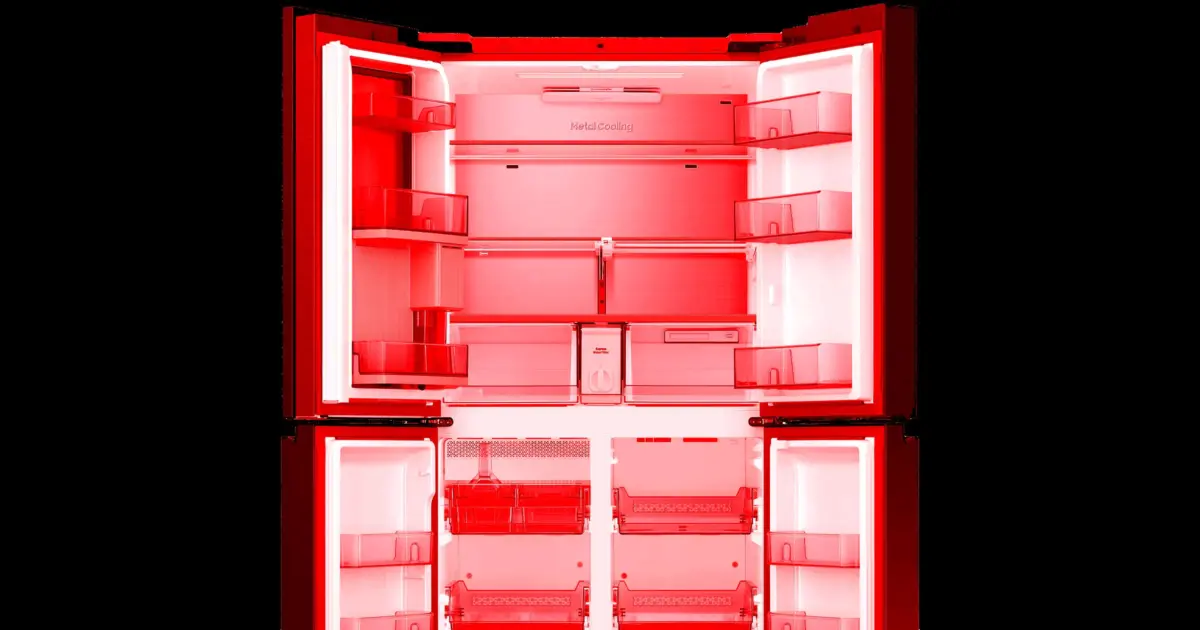
Now, that frustration has scaled to a new level following an entirely unnecessary and deeply unpopular push to inject artificial intelligence into every corner of the home. Unfortunate owners of Samsung’s luxury "Bespoke AI 4-Door" refrigerator recently found themselves on the receiving end of a very rude surprise. Across South Korea, customers discovered that their nearly $4,000 premium appliances had suddenly shut down entirely following a faulty firmware update. Instead of a sleek, functioning kitchen centerpiece, they were left with an expensive, non-functional brick that was actively failing to keep their groceries cold, resulting in spoiled food and mounting headaches.
According to reports from Star News Korea, the disaster manifested as an internal panel screen displaying a persistent error message for hours on end. Desperate homeowners attempted the classic troubleshooting technique of unplugging the massive refrigerators and plugging them back in, but to no avail. The software failure had paralyzed the core refrigeration systems, allowing cool air to continuously escape and leaving perishable items defenseless against rising indoor temperatures.
To make matters worse, the catastrophic malfunction struck at the worst possible time: right before the Chuseok holiday break. Chuseok is a major mid-autumn harvest festival celebrated across South Korea, marked by family gatherings, the celebration of the full moon, and traditional multi-day feasts. Many affected owners reported that they had spent the days leading up to the holiday stocking up on special delicacies, traditional ingredients, and festive dishes set aside for family celebrations, only to watch their investments rot inside dead, unresponsive metallic boxes.
Adding insult to glaring injury, angry customers who reached out to customer support were met with a sluggish corporate response. They were informed that the earliest available technician servicing date was October 1—long after the Chuseok holiday had come and gone, leaving households scrambling to salvage their celebrations without working refrigeration.
This infuriating incident highlights a broader, increasingly pervasive consumer grievance: how even the most mundane, reliable aspects of daily life are being forcefully upgraded into buggy, over-the-air software update-infested nightmares against the will of the people who buy them. Samsung heavily promotes its line of "Smart" refrigerators by boasting that they know what is inside through internal cameras, can recommend recipes based on aging ingredients, and even stream music or media through built-in touchscreens, all powered by proprietary "AI" capabilities. Yet, these are features that the vast majority of consumers rarely, if ever, touch or utilize in their daily routines.
After all, electric refrigerators have been a staple of modern civilization for over a century. They represent a significant, remarkably uncomplicated luxury of modern domestic life that has fundamentally remained consistent in its core mechanical purpose—keeping food cold—over the decades. Adding complex operating systems, internet connectivity, and unnecessary artificial intelligence layers introduces countless new points of failure to a device that simply needs to blow cold air reliably.
The crisis in South Korea is far from an isolated incident, reflecting a wider trend of everyday objects being ruined by trendy, forced technology. Over the past few years, consumers have been greeted by a relentless wave of massively overengineered and overpriced gadgets, ranging from internet-connected AI toothbrushes equipped with video surveillance capabilities to monitor mouth hygiene, to intelligent toasters and creepy facial recognition-infused AI doorbells.
Fortunately, consumers still retain some degree of choice when shopping for major home appliances, with various traditional brands competing in the marketplace. However, as major corporations continue to double down on artificial intelligence integration and insist on embedding cloud-dependent software into hardware that was once built to last for decades, finding reliable, offline alternatives may soon become significantly more difficult.