
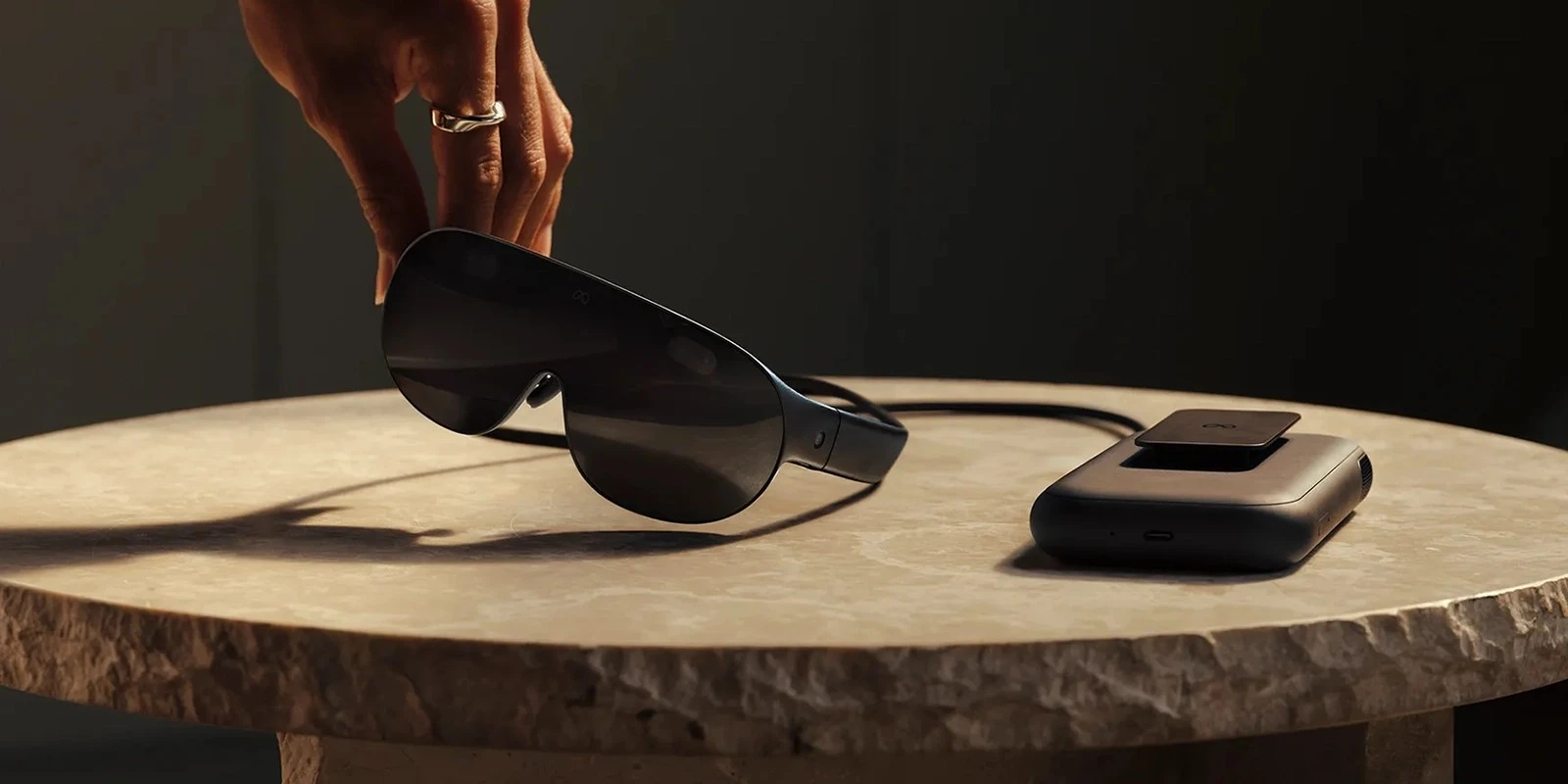
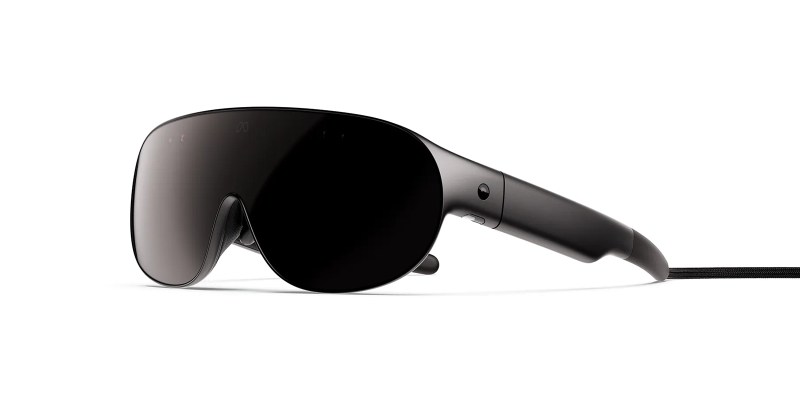
Meta has officially expanded its hardware ecosystem with the introduction of its new "VR Glasses," a high-end virtual reality device that shifts away from traditional, bulky headset designs in favor of a remarkably slim and lightweight form factor. Announced alongside a fresh lineup of audio-only and Ray-Ban smart glasses, Meta’s latest endeavor represents a significant pivot following the commercial challenges faced by its previous high-end attempt, the Quest Pro. Designed to offer a more refined and focused user experience, the new VR Glasses are slated to arrive on the market in Spring 2027 with a retail price tag of $1,299.
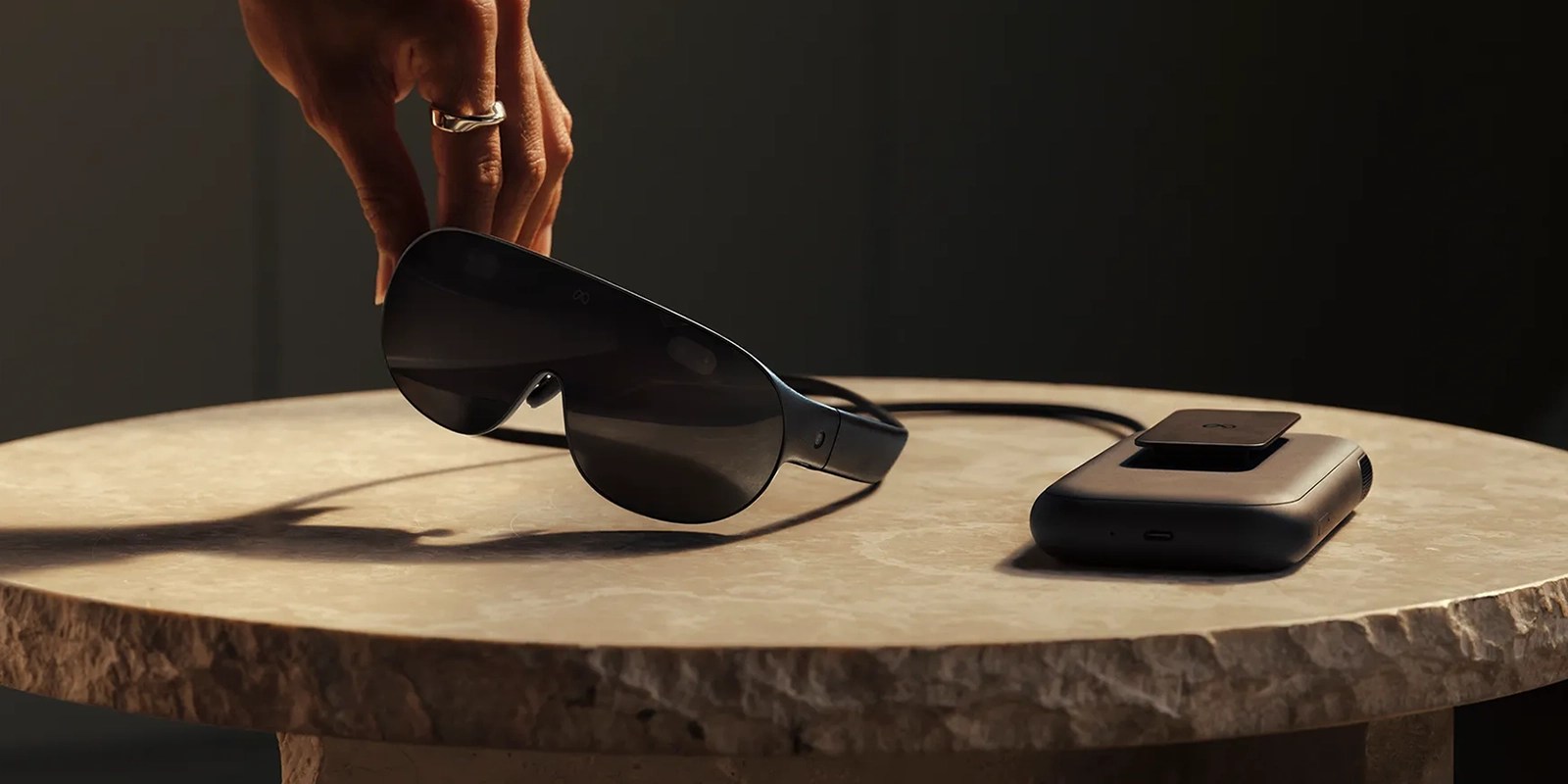
Unlike conventional standalone headsets that integrate all processing power and battery cells directly into the front chassis, the Meta VR Glasses take a distinct architectural approach. By offloading all computing and power components to an external processing puck, Meta has managed to reduce the weight of the glasses themselves to a mere 100 grams. This design choice makes the device roughly one-fifth the weight of the Meta Quest 3 headset, drastically reducing facial strain and improving comfort during extended usage sessions.
The physical profile and operational philosophy of Meta’s new hardware bear a striking resemblance to other upcoming ultra-slim wearable technologies in the extended reality market, such as XREAL’s Android XR-powered Aura glasses. Despite their featherlight construction, the Meta VR Glasses do not compromise on visual fidelity. The device places ultra-sharp 5K displays directly in front of the user’s eyes, promising an immersive viewing experience that bridges the gap between casual smart eyewear and full-fledged virtual reality systems.
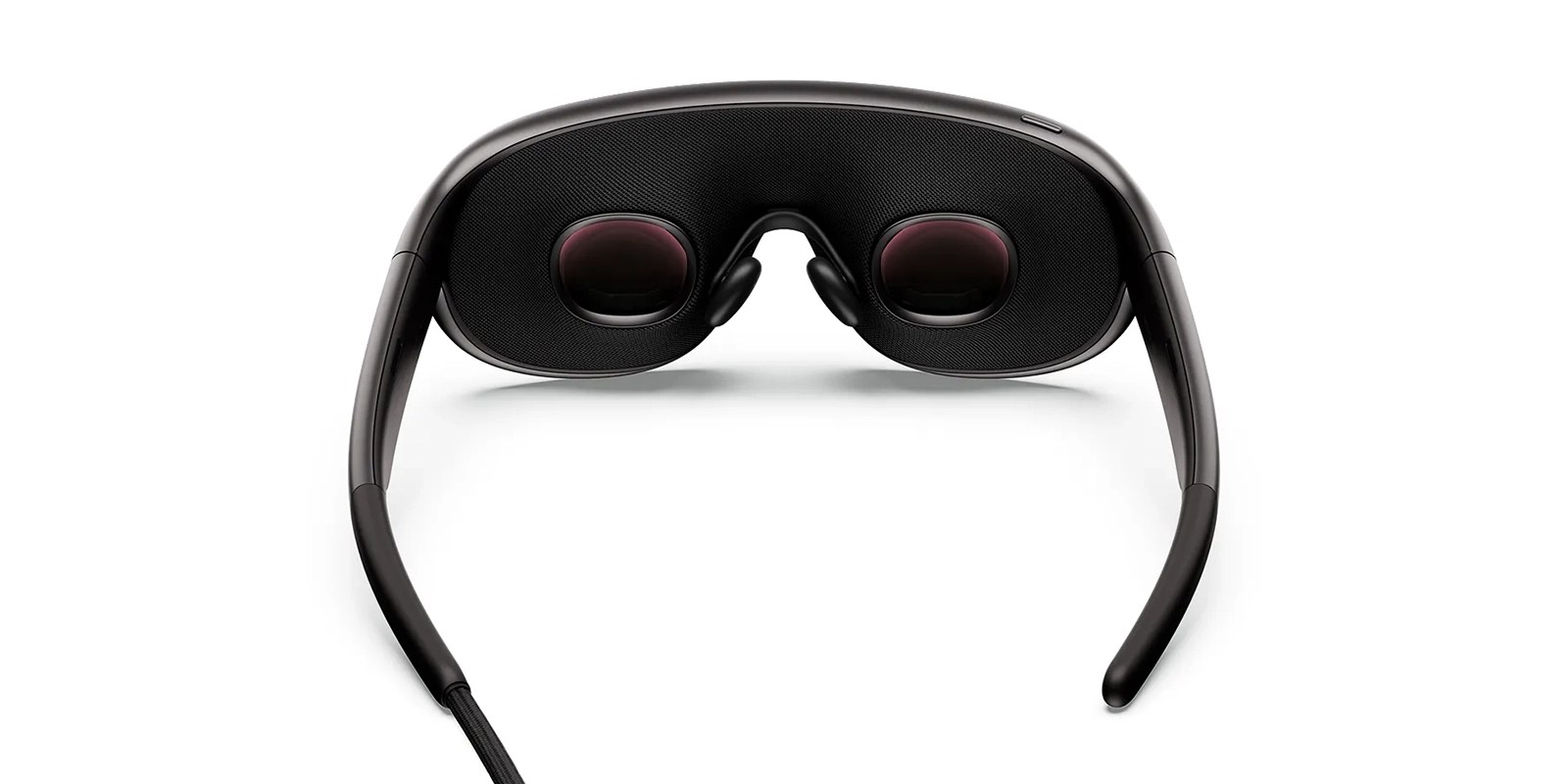
Entertainment and media consumption sit at the core of the new device’s value proposition. The Meta VR Glasses come equipped with comprehensive native support for premium audiovisual standards, including Dolby Vision and Dolby Atmos, alongside IMAX Enhanced content integration. Major entertainment partners are already lining up to support the platform. Disney+, for instance, will roll out dedicated VR viewing capabilities featuring expanded aspect ratios starting in November.
In addition to cinematic content, live sports broadcasting will play a major role in the device’s media ecosystem. ESPN is set to introduce high-definition 8K streaming to the platform, kicking off with the college football season. Additional high-profile sports and broadcasting networks, including NBC Sports and Major League Baseball, are scheduled to bring immersive streaming content to the Meta VR Glasses in the future, establishing the hardware as a powerful portable entertainment hub.
Controlling the device diverges significantly from traditional gaming setups. According to Meta, physical controllers are entirely unnecessary for the standard operation of the VR Glasses. Instead, the device relies on advanced hand-tracking technology, enabling users to navigate menus, select applications, and execute general tasks using intuitive hand gestures. Demonstrations of the technology have highlighted advanced software capabilities, including the ability to project a responsive virtual keyboard onto any physical desk surface in front of the user for seamless productivity and typing.
At the heart of this hardware ecosystem is Qualcomm’s advanced Snapdragon Reality Elite chipset, which drives the processing demands of the high-resolution displays and spatial computing algorithms. The external processing puck, which houses the primary silicon and power cells, is engineered to deliver approximately three hours of continuous battery life specifically for media playback. When it is time to recharge, the puck supports 45W fast charging technology, allowing users to quickly replenish the battery and return to their immersive environments without lengthy interruptions.
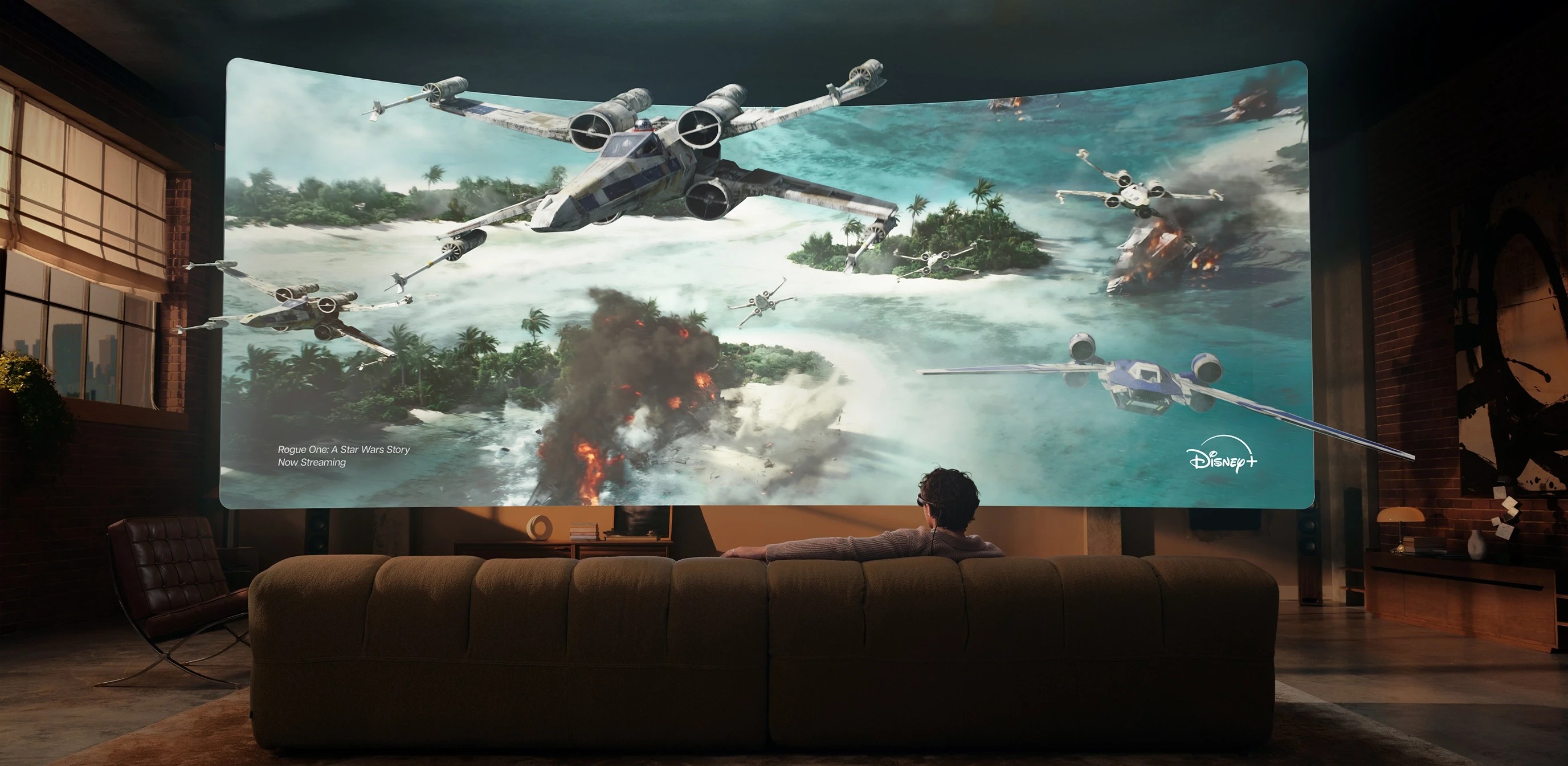
With a scheduled release window in the spring of next year and a premium price point set at $1,299, Meta is positioning the VR Glasses as a sophisticated tool for enthusiasts, media consumers, and professionals looking for top-tier visual performance without the physical burden of traditional headsets. As the launch window approaches, further details regarding software development, regional availability, and enterprise integration are expected to emerge.