
As public fatigue and backlash regarding cheap, algorithmically generated media continue to intensify across the digital landscape, corporate advertisers continue to face scrutiny for embracing low-cost artificial intelligence tools. While many brands have experimented with generative software to trim production budgets, a rising trend of unauthorized influencer deepfakes has pushed the ethical boundaries of digital marketing into deeply controversial territory.
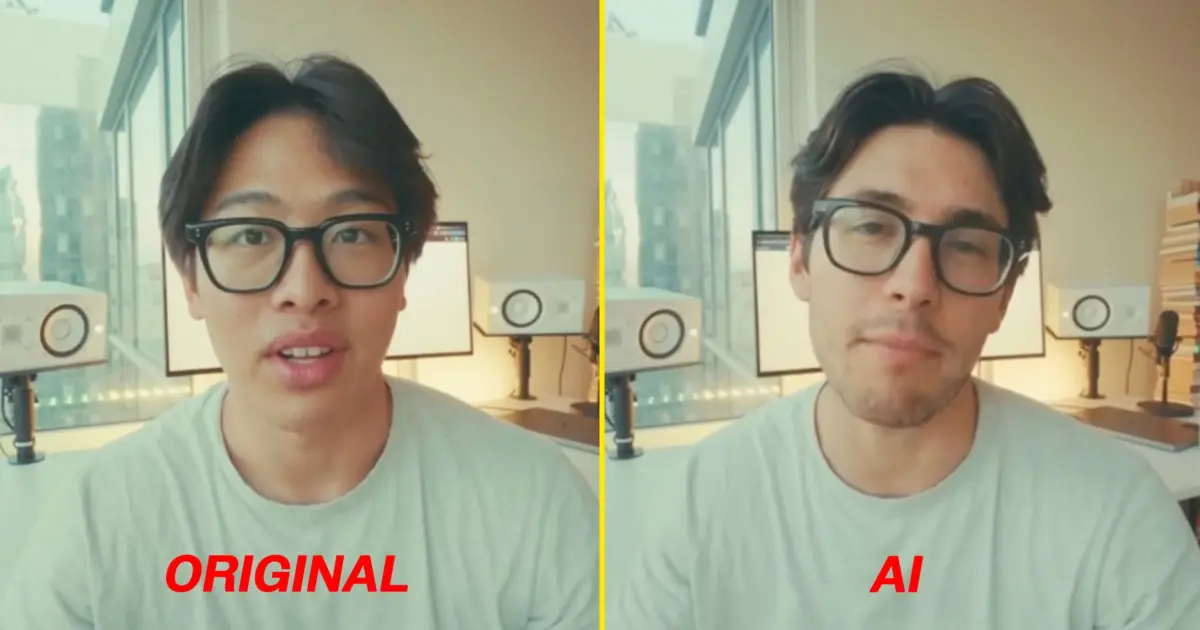
The prediction market, gambling, and trading platform Kalshi has found itself at the center of a major online firestorm after tech YouTuber Elliott Choy discovered that one of his personal videos had been co-opted into a synthetic advertisement. The automated marketing spot, which Choy was unexpectedly served while browsing YouTube, utilized deepfake technology to transform the Asian-American content creator into a completely fictional white individual who was then used to pitch Kalshi’s platform.
The incident represents a striking escalation in the unauthorized commercial exploitation of user-generated content. Beyond the ethical and legal questions surrounding the theft of a creator’s intellectual property and likeness, the ad also introduced the deeply problematic element of algorithmic whitewashing, replacing a real person of color with a nonexistent persona to shill a commercial product. As Choy pointed out upon sharing his discovery online, the unsettling ad surfaced just hours after Stanford University faced widespread public condemnation for a similar incident involving generative AI, where administrators were caught digitally altering a campus photograph to replace a student of color with a non-existent Black woman.
Ironically, while Kalshi’s automated systems targeted Choy with a synthesized version of his own content, the real-world creator has publicly collaborated with other technology firms, previously sharing promotional material for AI company Anthropic and its Claude assistant. The underlying footage hijacked by Kalshi originated from a video Choy uploaded in September of the previous year, which documented his experiences moving into a new apartment in New York City.
The authenticity of the offending advertisement was quickly confirmed by NPR correspondent Bobby Allyn, who investigated the matter and elicited a response from Kalshi representatives. According to statements provided to Allyn, a company spokesperson asserted that the problematic ad was "old" and maintained that the firm no longer utilizes AI-generated advertisements. Furthermore, the representative noted that Kalshi is actively "reviewing our relationship with" the external creative agency responsible for producing and deploying the commercial spot.
Despite these assurances, significant questions remain unanswered regarding the scope of the campaign. Industry observers and followers have noted that Kalshi has not yet publicly disclosed which specific contracting agency was responsible for creating the deepfake ad, nor has the platform clarified how many other independent influencers may have had their likenesses and content similarly misappropriated. It remains unclear whether the company intends to proactively identify and compensate other creators whose intellectual property was utilized without consent.
The controversy highlights a broader, troubling trend across social media platforms regarding the unregulated proliferation of generative video manipulation. NPR’s Bobby Allyn first reported on the emergence of deepfake influencer clones in July of the prior year, highlighting how malicious actors and scam operations were leveraging modern AI tools to replicate legitimate user-generated content on platforms like TikTok, frequently accumulating tens of millions of views under false pretenses. At the time, digital forensics experts warned that the technology had advanced to a point where such deceptive practices could easily bypass standard platform moderation protocols.
Hany Farid, a digital forensics expert at the University of California, noted during previous reporting that creating such synthetic duplicates has become remarkably straightforward with commercially available artificial intelligence tools, making detection difficult for both everyday users and automated content filters. However, while much of the early wave of deepfake content was attributed to anonymous online scammers, the involvement of a mainstream financial and trading platform like Kalshi brings the issue directly into the corporate sphere.
Kalshi’s entanglement with generative artificial intelligence is not entirely new, as the company has openly experimented with synthetic marketing materials over the past several years. During the previous year’s NBA Finals, the firm broadcasted an AI-generated commercial that executives proudly claimed cost a mere $2,000 to produce, though the broadcast drew mixed reviews and substantial debate over whether the cheap production quality aligned with the brand’s ambitions.
As public resistance and cultural backlash against low-quality generative media have grown exponentially, Kalshi leadership has attempted to pivot its public image. The company recently began investing heavily in traditional, human-centric marketing campaigns, enlisting high-profile A-list celebrities such as actor Timothée Chalamet and hiring Oscar-winning cinematographers in an effort to project prestige and authenticity.
Earlier in the month, Kalshi’s head of growth, Keaton Inglis, spoke with Ad Age about the strategic shift away from synthetic media. Inglis remarked that after observing nearly every brand utilize artificial intelligence, he actively transitioned the company’s marketing strategy to move away from being an early adopter of AI slop and toward something as human as possible moving forward.
In light of the revelations concerning the automated deepfake ad that substituted Choy’s racial identity to promote the platform, those corporate promises have been met with widespread skepticism from creators and consumers alike, leaving the company facing ongoing questions about accountability, advertising oversight, and the true cost of cutting corners with digital media.