
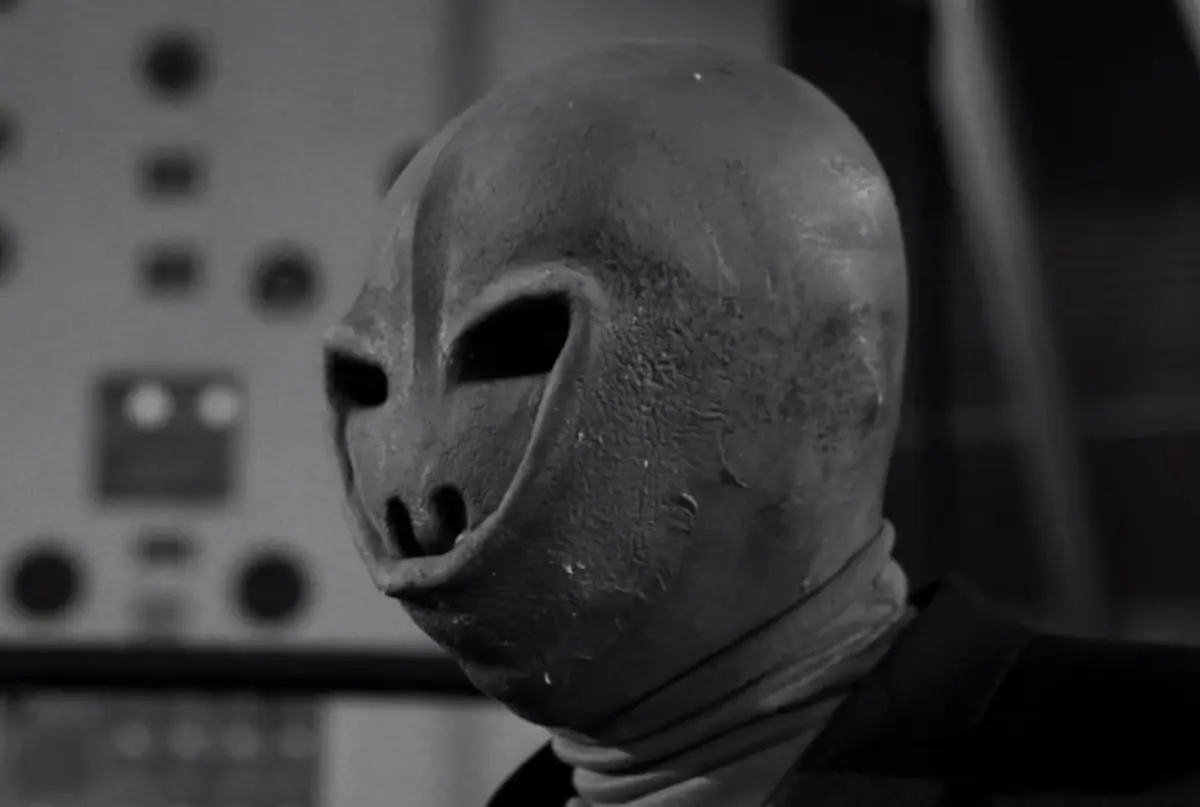
When discussions turn to the heavy hitters of science fiction television and film, franchises like Star Wars and Star Trek almost always dominate the conversation. From a purely financial standpoint, that dominance makes complete sense, as those two juggernauts have commanded the entertainment landscape, generated billions of dollars, and occupied the pop culture zeitgeist for decades. Yet, when evaluating the broader scale of creative influence, cultural footprint, and foundational impact on modern storytelling, another titan stands right alongside them. In the grand tapestry of speculative fiction, practically all modern roads lead directly back to, or heavily derive from, The Twilight Zone. For fans looking to revisit television history or discover where contemporary sci-fi and horror roots were planted, this landmark, genre-defining series is currently available to stream for free on Tubi.
You Have Entered… The Twilight Zone
First premiering on CBS in 1959, The Twilight Zone ran for five critically acclaimed seasons, amassing a total of 156 episodes. The series was the visionary creation of Rod Serling, a trailblazing television writer who relentlessly sought to expand the creative boundaries of the medium during an era largely defined by live-taped theatrical plays and multi-camera domestic sitcoms like I Love Lucy. To break the mold, Serling engineered a single-camera anthology format where each standalone episode functioned essentially as a self-contained cinematic short film. Throughout the majority of its run, these narratives unfolded within a crisp half-hour framework, though the show briefly experimented with a one-hour format during its fourth season before returning to its original half-hour roots for the fifth and final season.
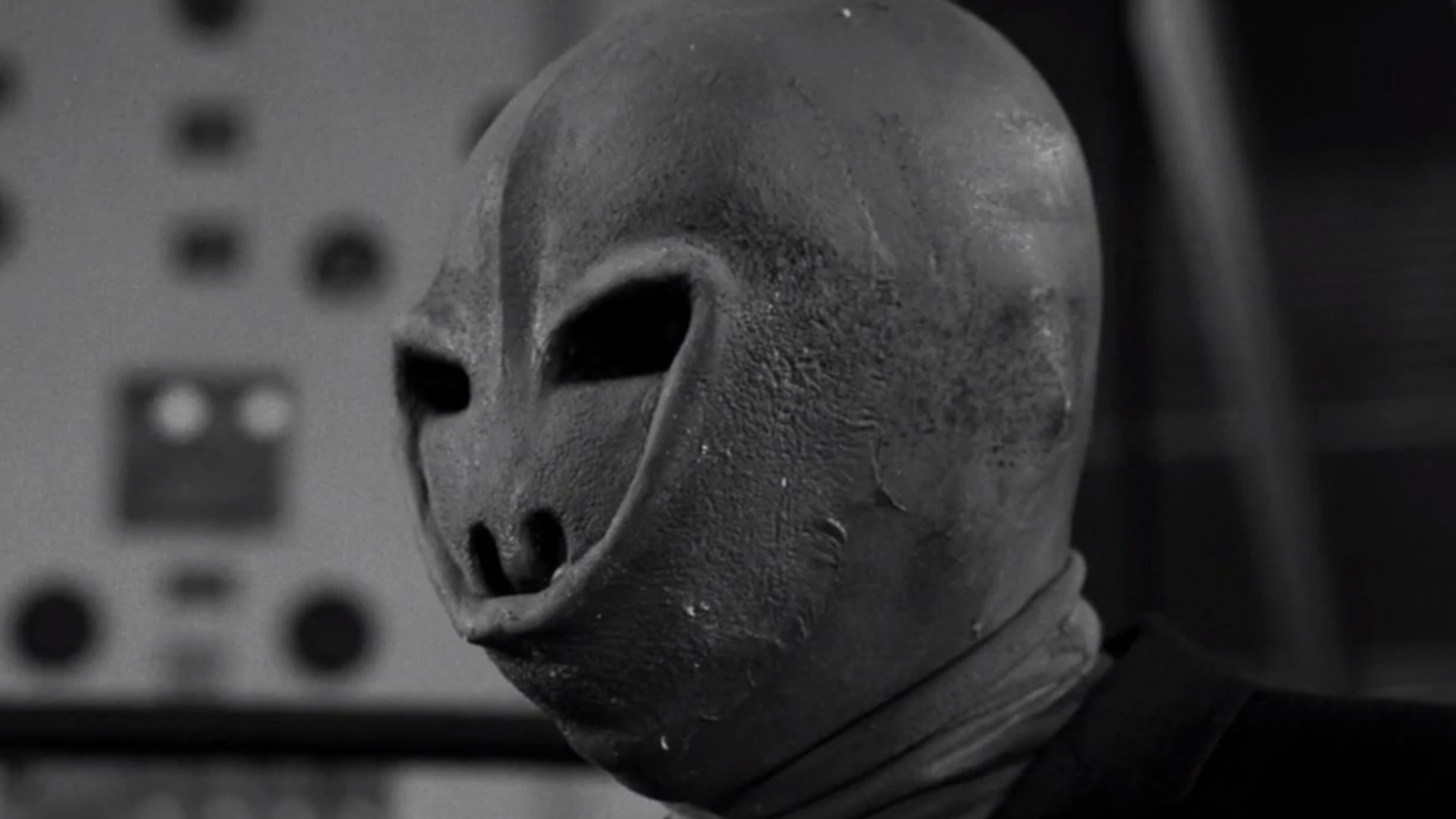
While every single episode of The Twilight Zone introduced entirely new characters, distinct settings, and unique premises, the overarching canvas frequently explored classic science fiction concepts such as time travel, alternate dimensions, and extraterrestrial encounters, alongside traditional horror tropes like restless ghosts and malevolent, possessed dolls. However, those supernatural and futuristic elements usually served as surface-level vehicles for deeper allegorical messages. Beneath the speculative exterior, Serling and his fellow writers used the anthology to dissect complex, deeply human themes such as entrenched prejudice, crushing isolation, moral ambiguity, personal regret, and the consequences of societal conformity.
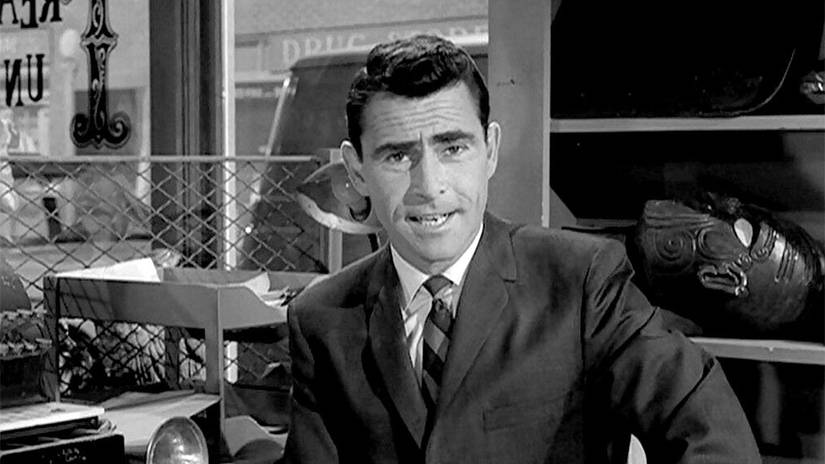
The show drew significant inspiration from some of the earliest and most esteemed literary architects of science fiction and speculative fiction, including the pioneering works of H.G. Wells and Mary Shelley. Furthermore, many of the premier speculative fiction authors of the 1950s actively contributed original scripts to the production, most notably Ray Bradbury and Richard Matheson. Despite the wealth of literary talent involved, Serling himself remained the driving creative force and definitive anchor of the program. He not only hosted every single episode with his iconic, cigarette-smoking presence and unforgettable monologues, but he also personally authored nearly 100 individual scripts for the series, cementing his legacy as a titan of television history.

Despite drawing heavily from early literary traditions, The Twilight Zone ultimately proved to be exponentially more influential on future generations of filmmakers and television creators than it was inspired by its predecessors. The most immediate conceptual descendants are clear in modern anthology series like The Outer Limits and Black Mirror, both of which inherited the show’s DNA of using speculative fiction to examine human nature. Yet, the series’ fingerprints can also be found across a vast array of serialized narrative dramas and genre shows, including The X-Files, Fringe, Lost, and Futurama, among many others.
This profound influence extends just as powerfully into feature filmmaking. Acclaimed writer and director Jordan Peele has frequently noted that his 2019 psychological horror film Us drew direct inspiration from the classic first-season Twilight Zone episode titled "Mirror Image." Similarly, horror icon Don Mancini, the creator of the enduring Child’s Play franchise, has pointed directly to the fifth-season episode "Living Doll" as a primary artistic inspiration for his infamous killer Good Guy doll, Chucky.
Decades after their initial broadcast, many of these foundational episodes remain remarkably compelling, sitting alongside the show’s most widely celebrated masterworks. Among the most iconic entries is Bradbury’s "Nightmare at 20,000 Feet," a widely recognized and frequently parodied masterpiece featuring a panicked passenger played by a young William Shatner who spots a terrifying gremlin tearing apart the wing of an airplane mid-flight. Another enduring classic is "Dummy," a chilling exploration of psychological unraveling centered on a living ventriloquist dummy. Additionally, "To Serve Man" remains one of the most beloved and frequently discussed alien invasion narratives in television history, remembered chiefly for its brilliant, ironical twist ending that has been referenced and parodied across popular culture for generations.
Not Everything About The Twilight Zone Holds Up
Because the series first made its television debut more than sixty years ago, certain technical and stylistic aspects of the production are understandably dated by modern standards. This is most apparent in the practical and optical special effects, which reflect the television budgets and technological limitations of the late 1950s and early 1960s. However, because the stories consistently prioritized rich character development, sharp dialogue, and universal philosophical subtext over expensive spectacle, a vast majority of the episodes remain surprisingly relevant, resonant, and emotionally poignant today.
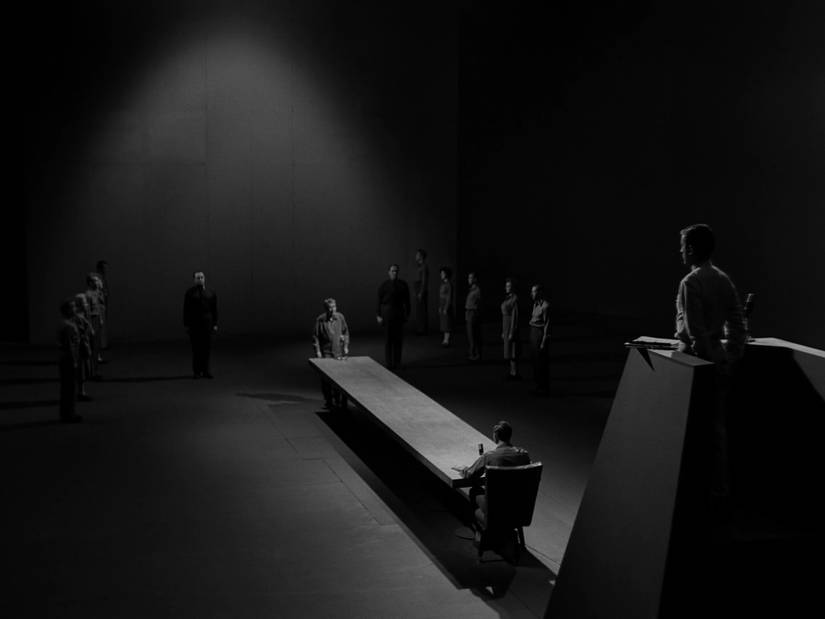
Furthermore, the inherent structure of an anthology series offers a distinct viewing advantage for modern audiences. Because continuity is not a barrier between episodes, viewers can freely bounce around the catalog, sampling guaranteed classics and fan-favorite installments before deciding to dive into the complete series chronologically. It also provides a flexible viewing experience that does not require the heavy time commitment or strict narrative tracking demanded by heavily serialized contemporary streaming dramas, making it an ideal title to watch in casual increments.
For contemporary fans of science fiction, suspense, and horror, exploring The Twilight Zone offers a fascinating look at the genetic material of modern genre storytelling. Because so many narrative tropes, psychological twists, and thematic structures seen in today’s films and television programs trace their lineage directly back to Serling’s groundbreaking creation, tuning in provides an opportunity to witness the birth of modern speculative television while the entire run remains accessible to stream for free.