

The massive cultural divide within the Fallout community—the eternal debate over whether Bethesda’s core entries or Obsidian Entertainment’s beloved Fallout: New Vegas hold the true crown—explains precisely why The Elder Scrolls never received a similar third-party spin-off. According to former Bethesda Softworks designer Kurt Kuhlmann, studio director Todd Howard and the core leadership team have always been fiercely protective of their flagship fantasy franchise, aiming to avoid the divisive comparisons and creative friction that the Fallout series experienced over the past decade.
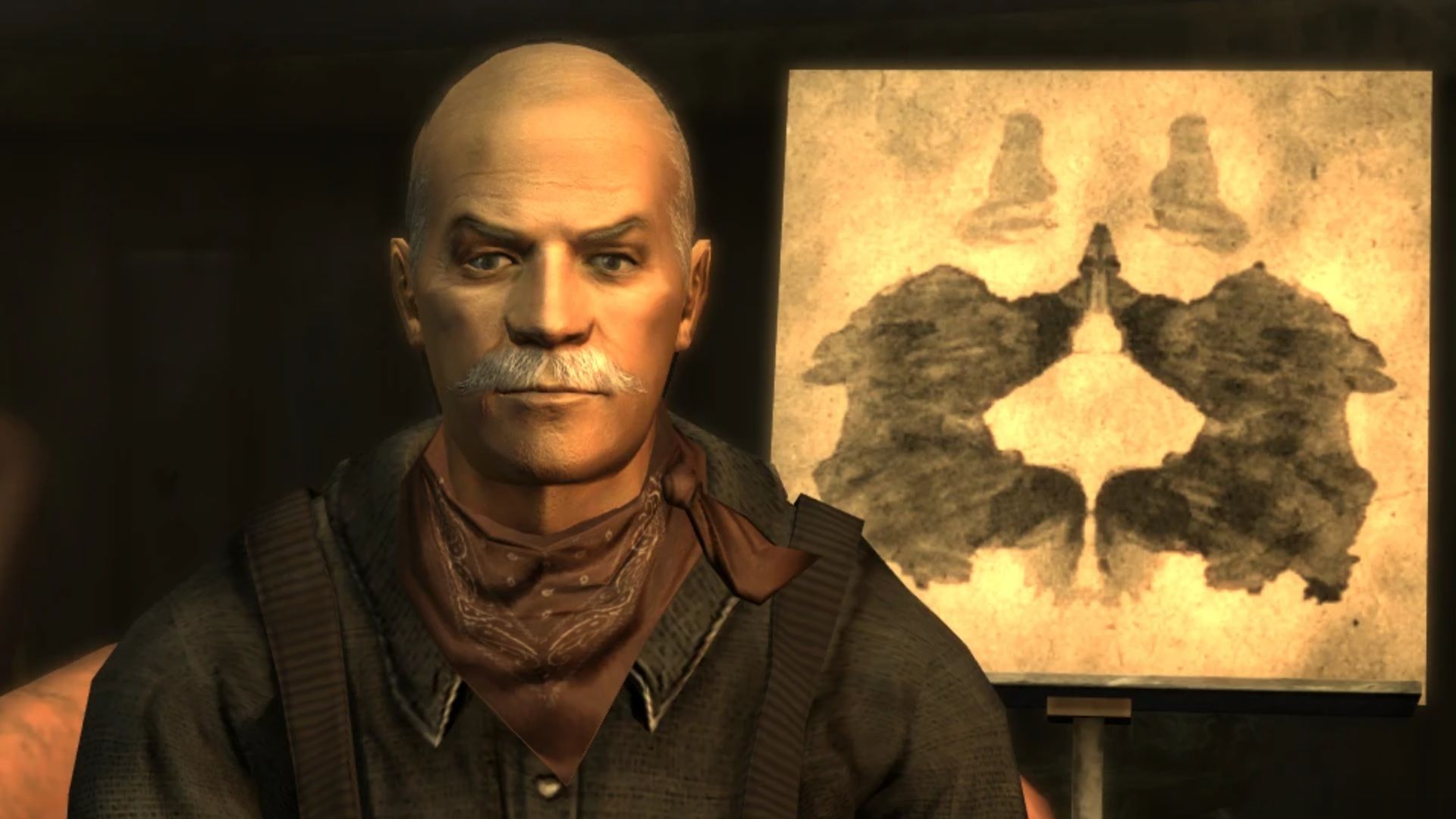
Speaking recently on the FRVR Podcast, Kuhlmann reflected on how the extraordinary success and lasting legacy of 2010’s Fallout: New Vegas fundamentally reshaped fan perception and studio dynamics within the gaming landscape. Developed by Obsidian—which featured many key veterans of the original Black Isle Studios team behind Fallout and Fallout 2—New Vegas quickly cultivated a dedicated segment of the fanbase that argued passionately for Obsidian’s superior grasp of role-playing mechanics, branching dialogue, and gritty world-building.
This dynamic fostered an enduring narrative within online gaming communities, often framed as a competitive rivalry over who could build a better post-nuclear wasteland. For a vocal portion of the player base, the conclusion became absolute: Bethesda should simply hand the reins of its treasured intellectual properties over to Obsidian.
Kuhlmann suggested that Todd Howard, during his time at Bethesda, was acutely aware of this tension and had little desire to replicate that specific pressure cooker environment for The Elder Scrolls. Given how closely associated Howard and his veteran developers are with Tamriel’s lore and design philosophy, the studio has historically preferred to keep mainline development firmly in-house. Howard’s protective stance toward the fantasy franchise is deeply rooted in the studio’s identity, reflecting a desire to maintain absolute creative continuity without inviting external debates over which studio handles the source material more effectively.
However, the strategy for keeping The Elder Scrolls active without handing the keys to an outside developer shifted significantly with the arrival of The Elder Scrolls Online (ESO). Developed by Zenimax Online Studios and launched in 2014, the massive multiplayer online role-playing game provided a steady, ongoing stream of new adventures, lore, and expansions across the continent of Tamriel.
From Kuhlmann’s perspective, the persistent presence of ESO effectively took the heat off Bethesda Game Studios by ensuring that the franchise remained continuously active in the public eye. For a substantial subset of players, The Elder Scrolls Online became their primary and defining experience with the series. It served as their introduction to Tamriel, cultivated their long-term engagement, and ultimately satisfied their appetite for new content while the single-player team focused on massive, long-term projects like The Elder Scrolls VI.
While longtime purists of single-player role-playing games maintain a different perspective, the sheer volume of players who define their relationship with the franchise through ESO created a buffer for Bethesda. It demonstrated that there was a massive, sustainable audience eager for a different kind of Elder Scrolls product, fulfilling a market demand without requiring a mainline-style single-player spin-off from an external studio.
Examining these studio dynamics reveals a broader context behind how online fan communities interact with game developers. The intense vitriol and polarization often found on social media platforms and video-sharing sites frequently misunderstand the relationship between corporate strategy and creative pride. Senior developers at Bethesda have consistently spoken respectfully of their peers at Obsidian, viewing New Vegas as a respected entry in the broader universe rather than a threat. Yet, the toxic discourse propagated by certain segments of the internet—where fans occasionally call for professional repercussions or attack developers over perceived creative missteps—inevitably reinforces a defensive posture among veteran creators.

Furthermore, the modern corporate reality of the gaming industry complicates the romantic notion of studios eagerly collaborating on franchise spin-offs. With widespread industry consolidation, corporate restructuring, and severe layoffs orchestrated by parent companies like Xbox across various internal studios, the ecosystem that once allowed for rapid, collaborative spin-offs has drastically changed. Even as industry circumstances shift and companies circle back to older properties, the landscape of game development today looks markedly different from the era that produced New Vegas.
Ultimately, Todd Howard’s protective approach to The Elder Scrolls was never merely about insecurity or an unwillingness to share the spotlight. It was a calculated effort to preserve a unified creative vision for a legendary franchise, supported by alternative projects like ESO that kept the universe vibrant and accessible to millions of players worldwide.