
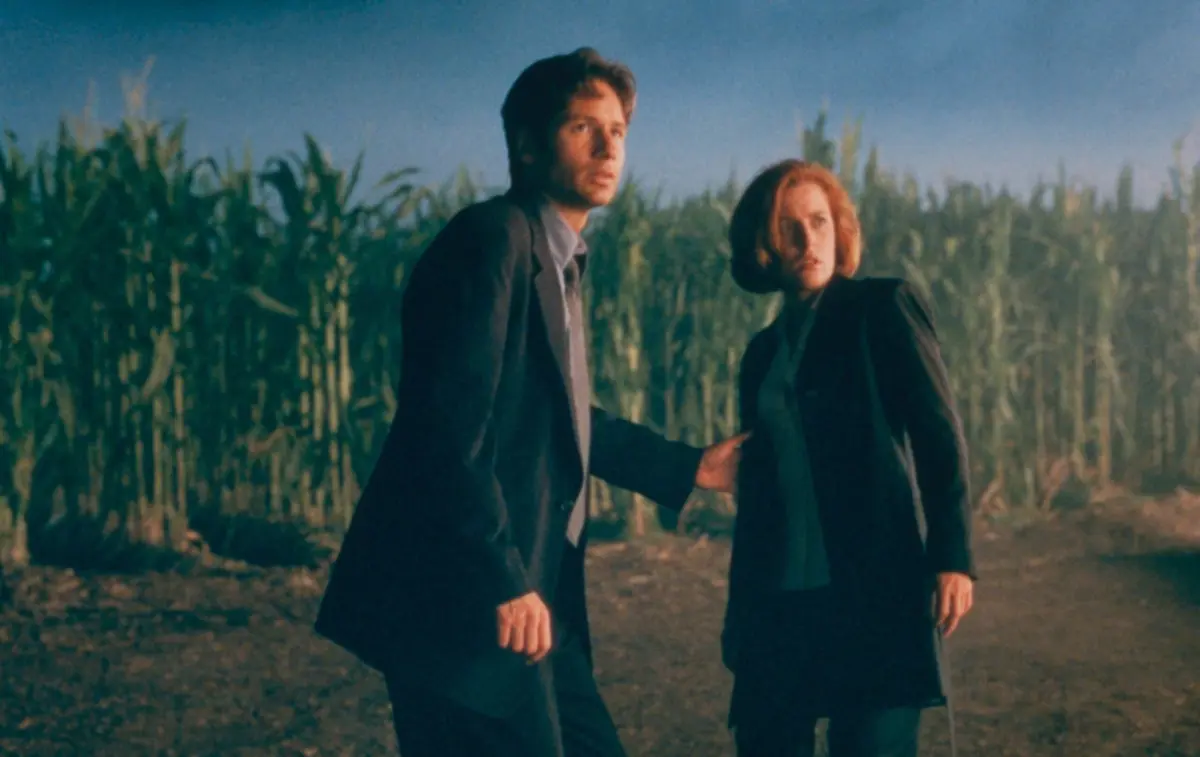
Generally speaking, there are two distinct ways to experience an episode of The X-Files. Viewers are treated to either the serialized "Mythology" episodes, which tackle the show’s grand, ongoing narrative concerning extraterrestrial life and a massive government cover-up, or the standalone "Monster of the Week" procedural entries. The mythology episodes traditionally secured top billing during season premieres and finales, with a handful of others strategically distributed across the broadcast calendar. However, the vast majority of The X-Files—accounting for roughly 75 percent or more of the entire series—belonged to the standalone monster format, where Special Agents Fox Mulder (David Duchovny) and Dana Scully (Dana Scully) investigated bizarre, localized phenomena entirely detached from the alien conspiracy.
While the term "monster" is applied broadly in this context to describe everything from mutated creatures and supernatural entities to ordinary humans cursed with extraordinary abilities, the show introduced countless strange foes over its historic run. Yet, among all the strange anomalies and biological horrors featured in the series, nearly all of them ultimately fall short of the terrifying benchmark established during a landmark season 2 episode titled "The Host."

The Host
"The Host" served as the second episode of The X-Files’ sophomore season, dropping viewers into a precarious narrative period when the FBI’s X-Files division had been officially shut down. Mulder is dispatched to investigate a grim, waterlogged body discovered deep within the Newark, New Jersey sewer system—an assignment he quickly suspects is merely a punitive measure handed down by hostile superiors within the bureau. Despite the dismissive attitude of his administration, Mulder doggedly pursues the clues, and over the course of the investigation, he realizes with grim satisfaction that this is, indeed, an authentic X-File.
When Agent Scully conducts the mandatory autopsy on the bloated recovery, she uncovers a horrifying surprise hidden inside the victim’s liver: a parasitic flukeworm. Shortly after this discovery, a local city sanitation worker is violently attacked in the subterranean labyrinth of the sewer network by what he initially believes to be an escaped python. However, the massive, distinct bite mark left on his back matches the anatomical structure of a flukeworm mouth, albeit on an impossibly gigantic scale. Following the sanitation worker’s untimely death, Mulder visits the municipal sewage treatment facility, where workers have accidentally captured a humanoid creature. The entity possesses the approximate size and shape of a grown man, but features the unmistakable, grotesque face and mouth of a flukeworm. Soon after its containment, the entity—which quickly becomes known to investigators and fans alike as the Flukeman—begins relentlessly attacking workers at the plant in a desperate bid to escape back into the safety of the dark waterways.

The enduring legacy of the Flukeman among long-time fans rests on several distinct pillars of television production and creature design. For starters, its visual aesthetic is remarkably original. While the creature incorporates classic man-like and sea-creature tropes that harken back to cinematic history like the Creature from the Black Lagoon, the stark, ghostly white hue of the monster combined with its massive, gaping, oval-shaped flukeworm mouth made it instantly unforgettable. Furthermore, the episode was brought to life using cinematic-level practical creature effects, a luxury that was exceedingly rare for weekly television productions during that era.
"The Host" was also distinguished by its tightly wound, suspenseful sci-fi thriller script penned by X-Files creator Chris Carter. Adding an extra layer of chilling resonance, the episode incorporated a contemporary real-world element by suggesting that the Flukeman was an unintended biological mutation resulting from the catastrophic Chernobyl nuclear disaster in Ukraine, which had occurred less than a decade prior to the episode’s original broadcast. Because the episode aired during a period when the series was experiencing an explosive rise in cultural popularity, and because it operated completely independently of the show’s convoluted overarching mythology, it provided a self-contained narrative that viewers could easily revisit without needing to catch up on an intricate web of prior lore.
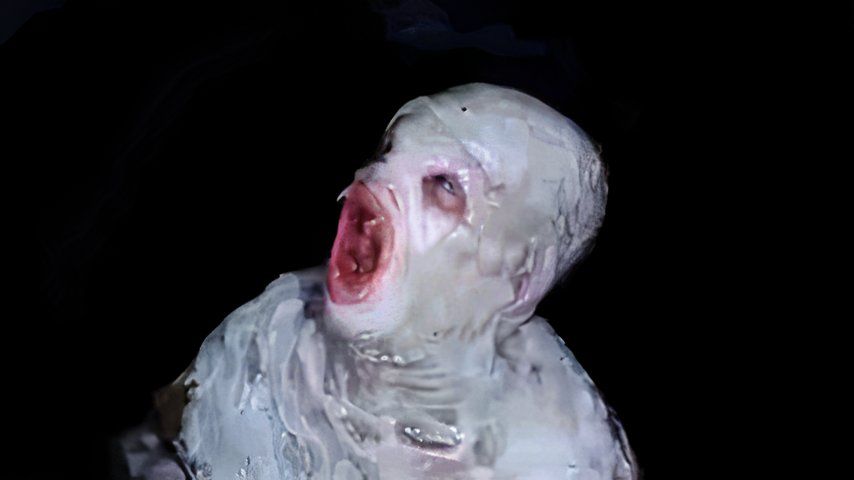
In the decades since its debut, the Flukeman has evolved into an unofficial mascot for the Monster of the Week format as a whole. Outside of the series’ iconic grey aliens, the creature fans are most likely to encounter on official The X-Files merchandise is the Flukeman. This widespread recognition is particularly striking given that the character appeared in only a single episode of the entire television run. This enduring cultural footprint was highlighted when Lego released its official The X-Files set, which featured a collection of the series’ core human characters, a classic alien figure, and just one specific creature representation: the Flukeman.
Throughout its multi-season run, the series introduced a steady parade of fascinating and unsettling monsters, ranging from the liver-eating serial killer Eugene Victor Tooms to the deeply disturbing, inbred Peacock family. Yet, despite the creative breadth of the show’s creature catalog, none would manage to stick quite so vividly in the collective nightmares and memories of fans quite like the Flukeman.