
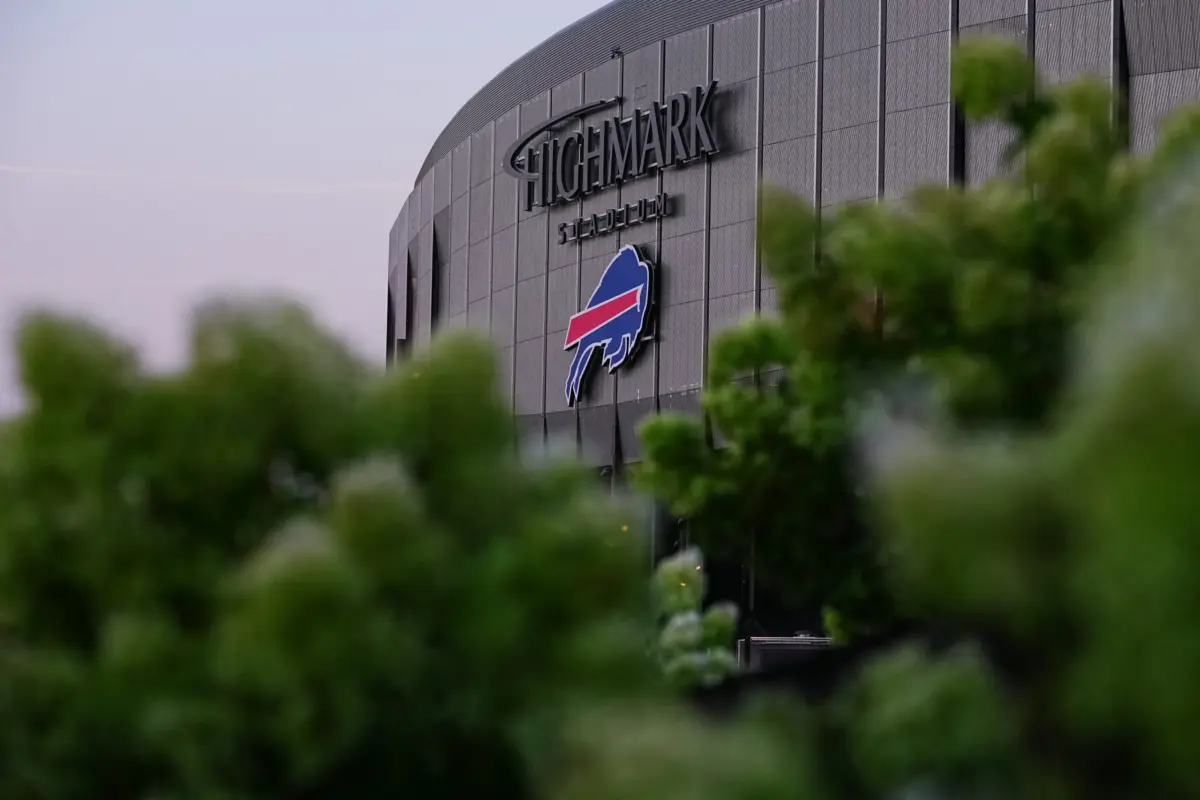
When the Buffalo Bills officially opened their new home at Highmark Stadium for a regular-season clash against the Detroit Lions, the sensory details were immediate. Fans immediately noticed the stark improvements in seating comfort, clearer sightlines across every section, and a powerful new sound system that amplified the roar of the crowd. Yet beneath the surface of these visible upgrades lies an even more transformative change: an entire modern sports venue operating on a single, highly converged network rather than the fragmented, patchwork infrastructure that typically plagues large entertainment facilities.
Developed in close collaboration with technology partner Cisco, the digital backbone of the new Highmark Stadium offers a compelling case study for enterprise IT leaders operating far beyond the realm of professional sports. Instead of following the conventional industry practice of layering modern digital capabilities onto aging legacy infrastructure, the Bills and their technology teams chose to rebuild their foundational digital architecture completely from scratch. The operational dividends and improvements to the fan experience were realized almost instantly from opening day.
From Fragmented Systems to a Single Pane of Glass
Reflecting on the limitations of the organization’s former home, Shaun Handley, IT infrastructure project director for the Bills and a veteran of the organization with 22 years of service, pointed out that the previous stadium relied on a complex multi-vendor patchwork. Separate networks governed Wi-Fi, core infrastructure, and specialized venue systems. While these silos did not always cause catastrophic failures, they created a persistent, exhausting operational drain on a lean internal IT staff responsible for keeping a massive venue running smoothly.
"I really wanted to have robust infrastructure capable of supporting us into the future," Handley said, detailing the overarching vision for the new stadium’s technology build. "Developing something that’s going to be that single pane of glass, so I’m not jumping between multiple vendors—it just makes everything that much more efficient when we’re working, especially on a game day when we have 60,000 people in here."
This strict operational discipline extended outward to prospective ecosystem partners and vendors. Handley noted that several third-party technology providers initially pushed to introduce their own independent hardware and proprietary gear into the venue rather than integrate directly within the Cisco ecosystem. The Bills firmly declined these requests. By maintaining a unified vendor strategy, the IT department ensured that every piece of hardware could be managed, monitored, and serviced under a single administrative scope, eliminating the traditional complexities of mixing and matching disparate control systems.
The Wi-Fi Numbers Tell the Story
Historically, poor wireless connectivity ranked among the most common and persistent complaints from Bills fans visiting the legacy stadium. Attendees routinely struggled to complete phone calls or send text messages during peak moments, making high-speed data streaming virtually impossible. For industry observers who tour professional and collegiate sports venues across the country, chronic Wi-Fi congestion remains a pervasive challenge.
Highmark Stadium addresses this historic pain point through an advanced deployment of Cisco Wi-Fi 7, powered by high-gain DB10 antennas strategically mounted within the stadium’s sweeping canopy structure. This thoughtful architectural design provides robust wireless coverage across the upper 300 and 400 levels while projecting downward directly into the lower bowl. By engineering the deployment this way, the engineering team drastically reduced the need for traditional under-seat access points, limiting them to just the lower 20 rows. In total, the venue utilizes roughly 1,300 access points to cover approximately 64% of the entire facility—achieving vastly superior spatial coverage with significantly fewer physical access points than a conventional venue buildout.
The empirical usage data provides undeniable proof of the upgraded network’s capacity. During a preseason game at the legacy stadium, fans consumed an aggregate of roughly 840 gigabytes of Wi-Fi data. In stark contrast, during the preseason opener at the newly minted Highmark Stadium, fan consumption skyrocketed to 16 terabytes—representing a roughly 19-fold increase in data utilization.
"Nobody’s been saying anything other than how amazing our Wi-Fi has been," Handley observed.
The operational demand for high-performance stadium-wide connectivity has evolved beyond simple fan entertainment. Traditional stadium designs historically focused wireless coverage exclusively on the spectator seating bowls, given that athletes do not require field-level Wi-Fi during games. However, modern multipurpose venues like Highmark Stadium regularly host major concerts, entertainment tours, and special events where patrons occupy temporary seating directly on the field turf. These floor seats command premium ticket prices, and attendees quite reasonably expect seamless, reliable connectivity. Furthermore, strong network coverage must extend seamlessly to exterior concourses, pop-up merchandise retail kiosks, rideshare pickup zones, and logistical operations.
Broadcast, Security, and AI Ride the Same Network
The philosophy of deep technological convergence extends far beyond public-facing fan Wi-Fi. Broadcast operations within the stadium now operate entirely on the SMPTE 2110 professional standard, riding across Cisco’s IP Fabric for Media. This watershed architectural achievement brings live media production onto the exact same IP network infrastructure as the rest of the venue’s digital services, a development Handley described as profoundly beneficial for daily operations.
Complementing the broadcast capabilities, Cisco Vision Edge powers the extensive digital signage network distributed throughout the concourses, while Webex Calling manages internal staff communications. Simultaneously, Cisco Spaces captures real-time location-based analytics and feeds that data directly into Splunk, granting venue operators critical visibility into crowd circulation patterns and fan behavior.
Looking toward the future of venue management, the Bills have begun piloting Cisco’s artificial intelligence IQ tool alongside Catalyst Center. This technology is designed to proactively flag potential network anomalies and bottlenecks before they escalate into service outages, marking an important early step toward predictive network operations. Perimeter cybersecurity is anchored by Cisco Secure Firewall, with plans already underway to integrate more advanced automated threat-defense mechanisms. At the foundational data-center layer, Cisco UCS hardware is integrated with Nutanix in a hyperconnected design engineered to scale gracefully as the venue’s long-term digital footprint expands.
The Most Underrated Decision: Build IT Before the Walls Go Up
Perhaps the most tactically brilliant decision made by the technology leadership team involved project sequencing rather than the selection of any specific hardware product. The Bills engineered a dedicated, roughly 18,000-square-foot technology operations center positioned entirely outside the main stadium bowl. Approximately half of this facility is dedicated to housing the distributed antenna system, while the remainder accommodates professional video production suites, common-carrier communication rooms, and the core SMPTE 2110 broadcast infrastructure. This technical hub is linked directly to the stadium via high-capacity fiber-optic cables.
Because this critical infrastructure was housed in a separate standalone building rather than buried deep within the stadium’s primary construction shell, the IT team was able to begin standing up intermediate distribution frames, network switches, and security cameras approximately eight months prior to the stadium’s official completion. This meant network deployment took place well before interior walls were fully enclosed and before punishing regional weather could disrupt installation schedules. Consequently, the technology team avoided the frantic, last-minute scrambling that typically characterizes the final days of major venue construction projects—a frequent point of failure for large-scale infrastructure initiatives.
While Highmark Stadium alone cannot guarantee Buffalo a bid for hosting a future Super Bowl—an honor heavily dependent on regional hotel capacity and weather patterns rather than pure network bandwidth—the facility clearly demonstrates the tangible results of treating enterprise networking as core foundational infrastructure rather than an afterthought. The investment has delivered fewer unexpected outages, significantly faster troubleshooting capabilities, rich operational data, and reliable, high-speed Wi-Fi for 60,000 passionate fans on any given game night.