
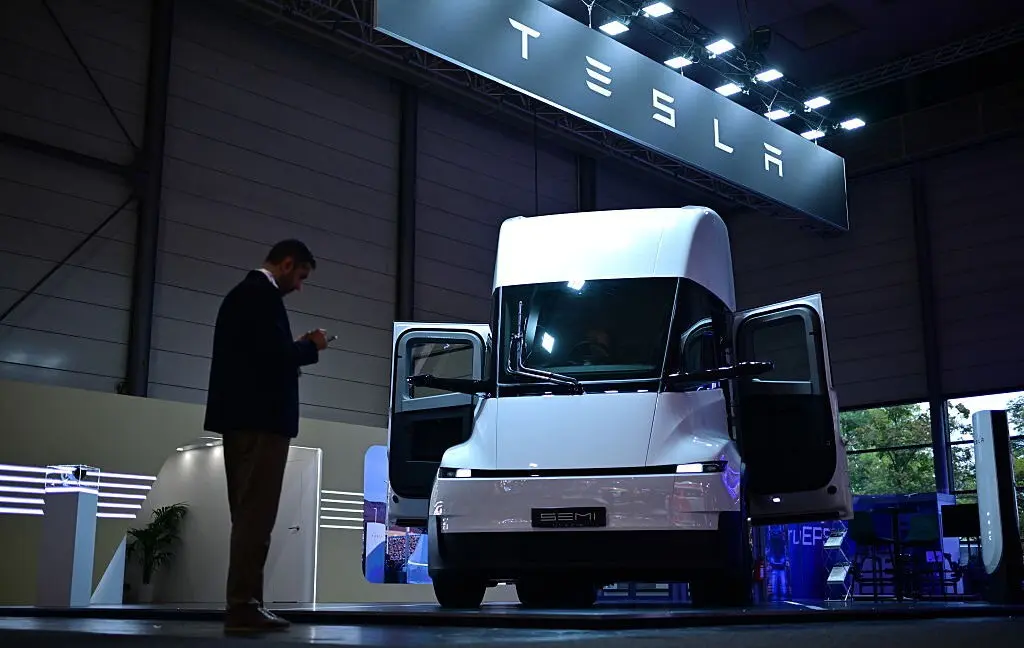
The commercial transportation sector in the United States is currently navigating a period of profound contradiction and volatility. On one hand, federal policies are shifting rapidly away from supporting the clean energy transition, dismantling the regulatory frameworks and financial incentives that have long underpinned the electric vehicle market. On the other hand, harsh macroeconomic realities and severe geopolitical instability are forcing corporate logistics fleets to accelerate their departure from fossil fuels. In the middle of these conflicting forces, a major corporate alliance has placed a record-breaking order for 2,500 Tesla Semis, signaling an unprecedented private-sector commitment to the electrification of heavy-duty freight.
This landmark procurement agreement, which includes major multinational corporations such as Microsoft and PepsiCo, represents a watershed moment for the heavy-duty electric vehicle industry. Deliveries of the newly ordered trucks are scheduled to begin this year and will continue over the next 18 months. The scale of this transaction is difficult to overstate. If Tesla successfully manufactures and delivers these 2,500 heavy-duty vehicles to its customers within the promised timeframe, the shipment will nearly double the total number of heavy-duty electric trucks currently operating on highways across the United States. This rapid influx of zero-emission big rigs has the potential to fundamentally reshape the logistics landscape, proving that large-scale commercial fleet electrification is viable even under highly challenging regulatory conditions.
This massive private-sector investment arrives at a highly complex and ironic political juncture for Tesla’s leadership, particularly its chief executive, Elon Musk. Over the past year, the political and regulatory landscape for electric vehicles in the United States has grown increasingly hostile. The Trump administration and the Republican Party—the very political faction that Musk actively supported by spending millions of dollars in campaign donations to help them secure the White House—took decisive action to cut billions of dollars in federal support and subsidies for electric vehicles. These sweeping cuts dismantled key financial incentives that many industry analysts previously considered vital for driving the mass adoption of clean vehicle