
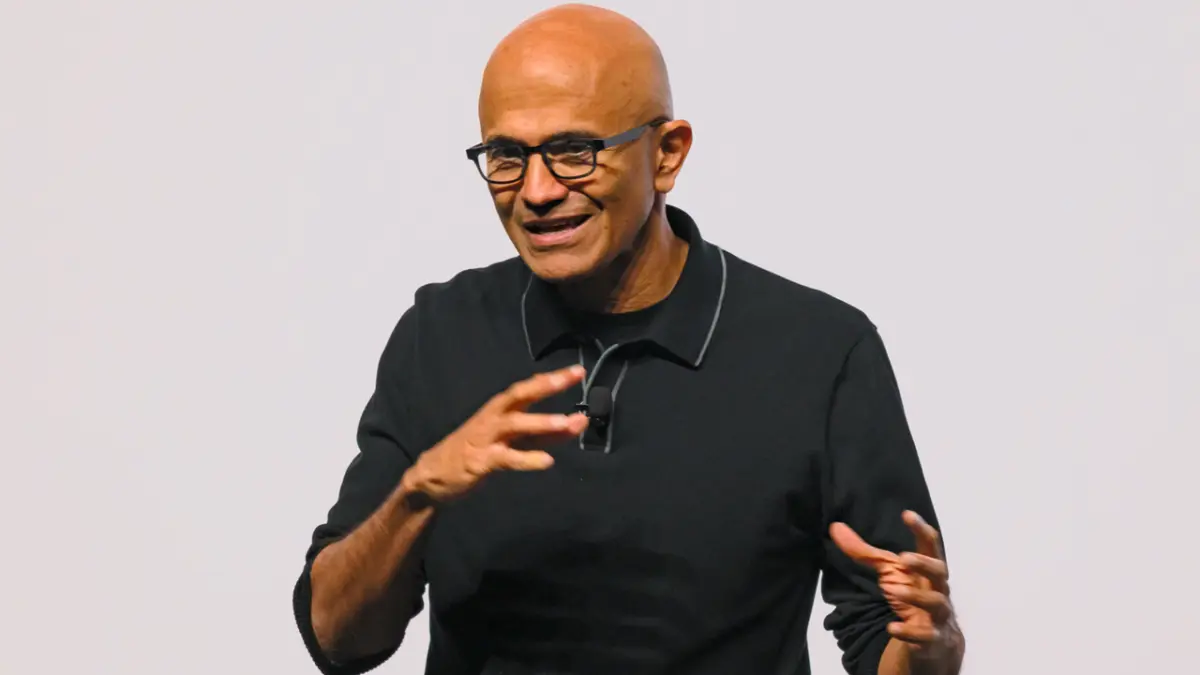
Nadella addressed the state of Xbox during a recent appearance on the Sources Podcast with Alex Heath, shedding light on Microsoft’s broader vision for its gaming branch. The executive’s remarks follow a tumultuous period for the brand, which included 1,600 job cuts delivered in July of this year, alongside an additional wave of structural changes and workforce reductions announced under Xbox CEO Asha Sharma. In total, the restructuring is projected to impact roughly 3,200 positions by the end of the fiscal year.
Despite the profound human cost of these measures—which have drastically altered the landscape for numerous long-standing developers—Nadella expressed confidence in the division’s trajectory. Speaking to Heath, the Microsoft chief said he feels "fantastic" about the intellectual property residing within the brand’s portfolio and the company’s "ability to take that and produce great games going forward."
"There’s a certain amount of streamlining the team is doing and Asha is doing, which is great to see," Nadella said in the wake of the most recent cuts. "And then, we have to invent the right sustainable business model that allows us to deliver gaming to more and more people. That has always been the goal, which is, we want to be a great publisher and a great platform provider for games across both PCs and Xboxes. So, that is our goal, and I think Asha and team have said that Xbox is going to get back to growth this next fiscal year, and that’s the plan they’re executing on, and in that process, do a bang-up job of producing some great games."
This optimistic outlook stands in sharp contrast to the anxiety felt by many industry observers and developers who have watched Microsoft dramatically redefine what the Xbox ecosystem represents. Over recent months, the tech giant has systematically unbundled parts of its sprawling gaming empire. High-profile studios have been spun off, restructured, or moved entirely to different corners of the corporate structure.

Double Fine, the acclaimed studio behind Psychonauts, successfully secured the rights to its own intellectual property and publishing portfolio following a split from Xbox. Meanwhile, Ninja Theory faced an uncertain future after deals to save the Hellblade developer reportedly fell through, signaling Microsoft’s intention to wind down the studio. Legendary studio id Software was also reorganized, returning to a leaner operational size reminiscent of the era when it developed 2016’s Doom.
Perhaps the most culturally significant signal of this new chapter arrived when Microsoft announced it was moving the iconic Halo franchise away from Halo Studios, handing the historic sci-fi series directly over to its Activision development teams. The decision effectively sidelined the next mainline Halo game, which reports indicated was still years away from release before the sudden operational shakeup.
The cascading effects of Microsoft’s "reset" initiative have rippled across the entire Xbox publishing apparatus. Obsidian Entertainment, the celebrated team behind Fallout: New Vegas, has been moved directly under the Bethesda publishing umbrella. Meanwhile, State of Decay developer Undead Labs recently confirmed its independence from Xbox, though studio head Philip Holt assured the community that State of Decay 3 remains in active development despite undergoing a "significant" wave of layoffs in the wake of its separation.
While Xbox announced in July that a total of 3,200 staff members would be impacted across two phases of layoffs—with the first 1,600 cuts occurring immediately and another 1,600 scheduled to follow before the close of the fiscal year—the full scope of the long-term plan remains unfolding. Leadership insists that these painful contractions are necessary to establish a sustainable financial foundation capable of weathering modern industry volatility.
For now, the overarching corporate narrative centers on future profitability and streamlined efficiency. Whether Asha Sharma and her executive team can successfully steer Xbox back to growth in the upcoming fiscal year—while simultaneously retaining the creative spark that defined its most beloved franchises—remains the defining question for a fundamentally transformed division.