
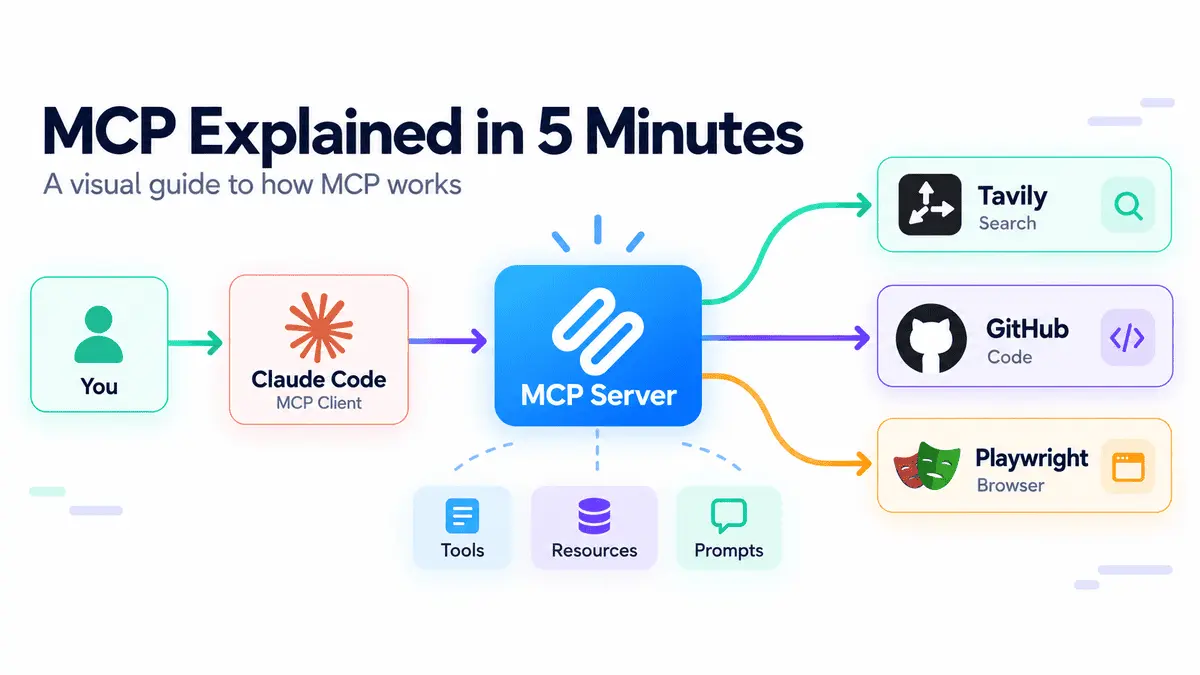
The artificial intelligence landscape has increasingly coalesced around the Model Context Protocol, commonly known as MCP, as the definitive standard for linking AI applications, coding assistants, and autonomous agents with external data sources and software tools. While industry chatter surrounding MCP has accelerated rapidly alongside the growth of advanced AI agents, a clear gap has persisted between knowing what the protocol is designed to achieve and understanding its practical implementation and underlying mechanics.
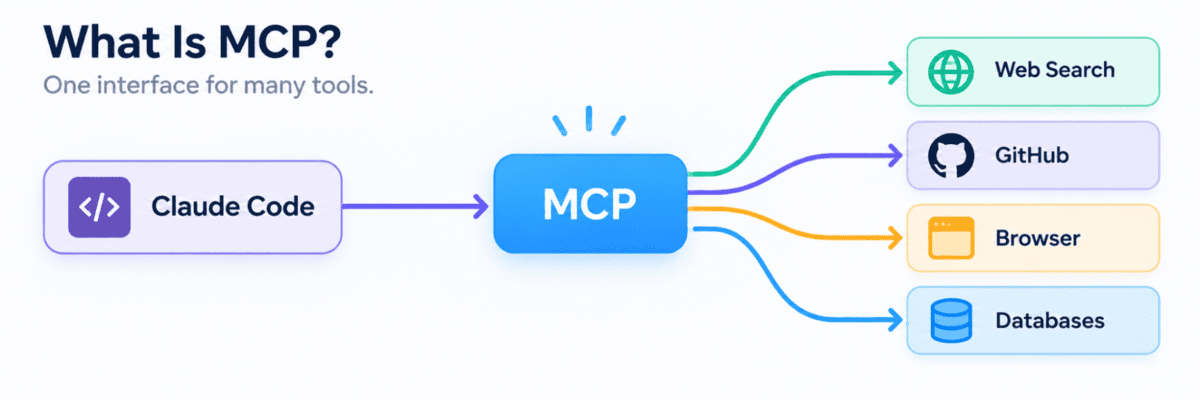
At its core, MCP provides a standardized framework that enables AI applications to discover and communicate with external tools and data repositories without requiring bespoke, custom-built integrations for every individual database, application programming interface, repository, or browser environment. Despite its straightforward objective, the technical lexicon associated with MCP—encompassing hosts, clients, servers, tools, resources, and transport layers—has occasionally contributed to a perception of unnecessary complexity. However, observers note that once the fundamental operational flow is understood, the architectural model becomes remarkably coherent.
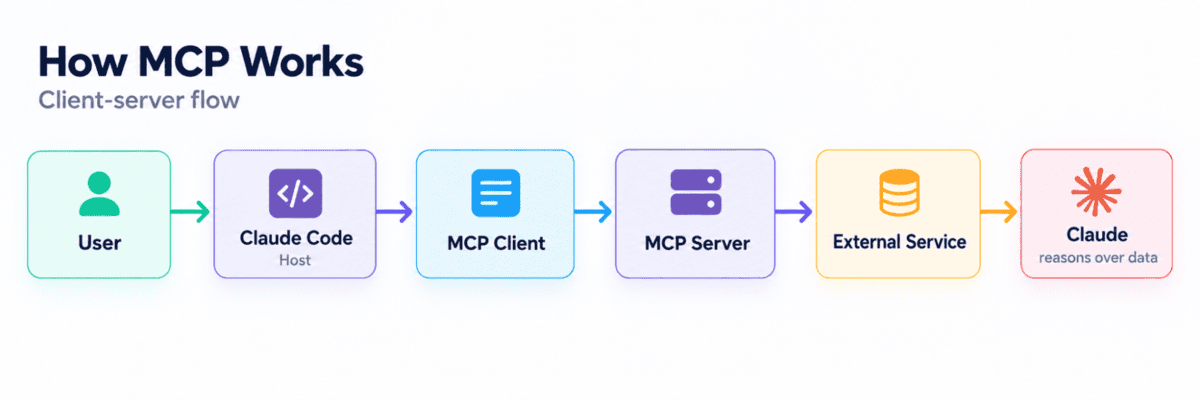
Historically, integrating diverse external services into a single language model application meant engineering distinct API wrappers and connection handlers for each individual endpoint. MCP does not replace traditional APIs; rather, it serves as an intermediary layer. An MCP server typically communicates directly with the underlying service or API on behalf of the artificial intelligence application, while standardizing how those capabilities are discovered, presented, and invoked by the model.
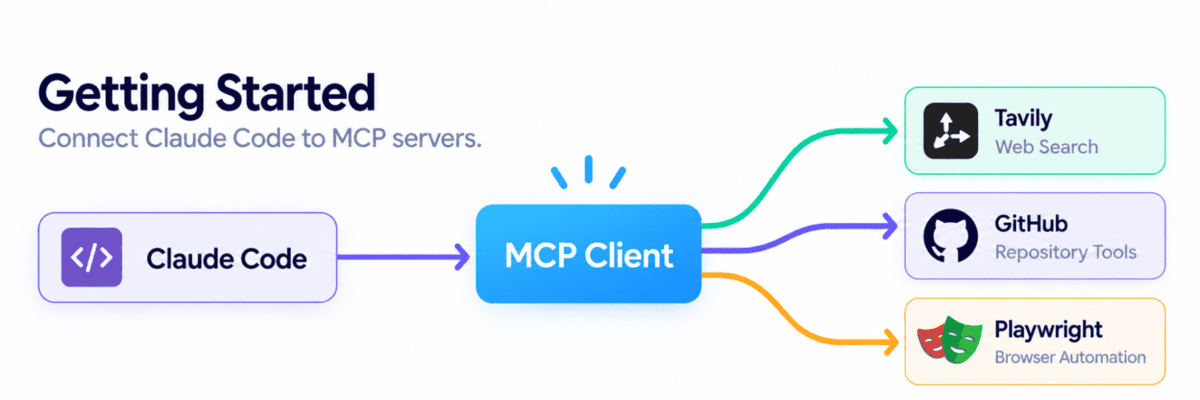
Within this client-server architecture, the host application—such as Claude Code—contains an MCP client that interfaces with one or more MCP servers. These servers subsequently expose various capabilities, ranging from executable functions to contextual resources. When a user issues a complex command that requires real-time information or external manipulation, the underlying language model evaluates its available toolset, selects the appropriate utility provided through the MCP server, executes the request, and synthesizes the returned data. Crucially, the protocol itself does not perform the cognitive reasoning. The language model determines when a tool is required and how to interpret the resulting output, while MCP simply supplies the standardized conduit that makes the connection possible.
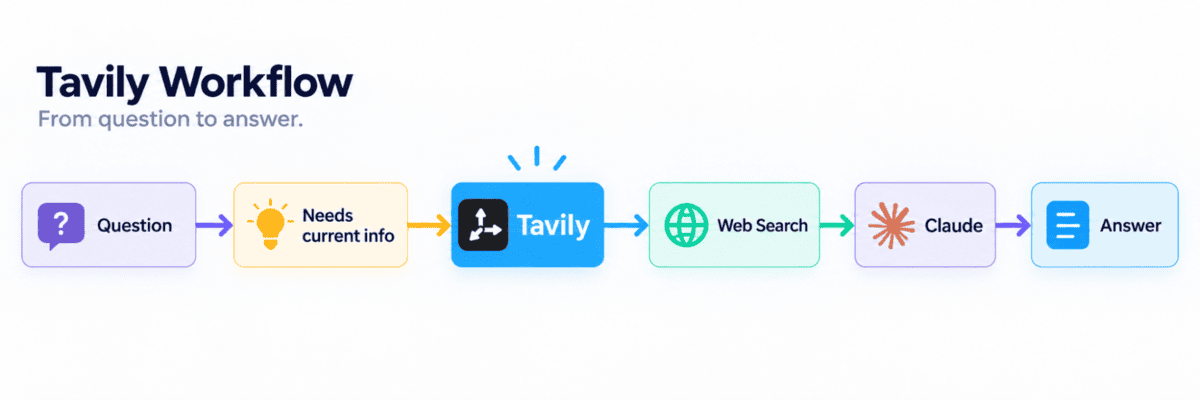
Recent developments have further refined this ecosystem, most notably through the introduction of updated protocol specifications that shift the core architecture toward statelessness. By eliminating the necessity of maintaining persistent sessions with specific servers, the updated specifications allow individual requests to carry all necessary processing parameters. This architectural shift significantly enhances the scalability of remote MCP servers across standard cloud computing infrastructures. Furthermore, the protocol evolution has introduced heightened security measures and enhanced data handling capabilities, positioning the standard firmly for robust enterprise and production-grade artificial intelligence deployments.
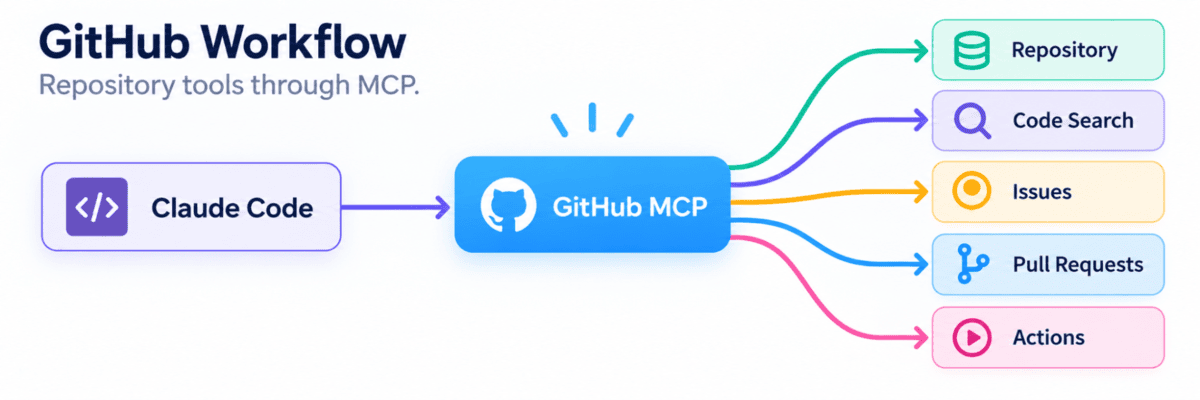
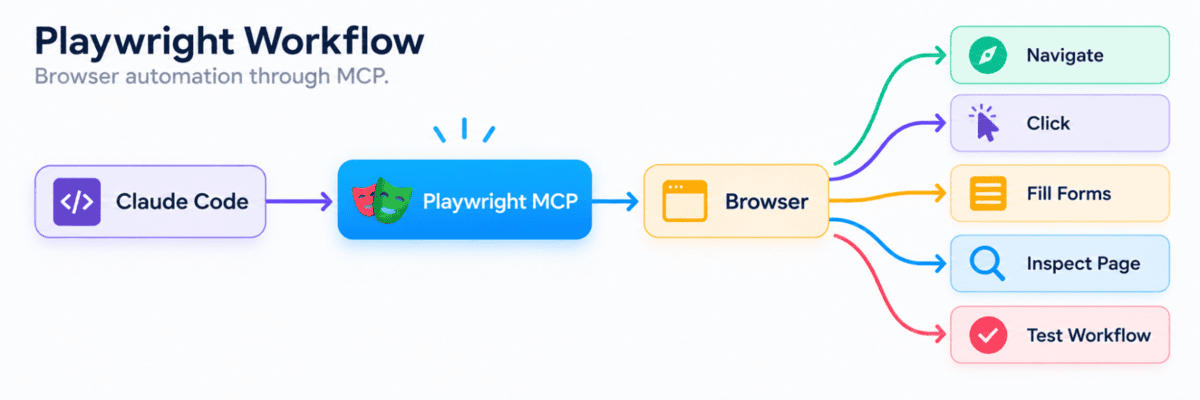
The practical utility of this architecture is increasingly demonstrated through integrations across diverse developer workflows, including live web search capabilities, repository management systems, and browser automation environments. For instance, developers frequently integrate live web search tools to overcome the inherent knowledge cutoffs of language models, enabling agents to dynamically retrieve, crawl, and analyze current online documentation or release notes without custom integration overhead. Similarly, official repository management servers allow AI coding assistants to interact directly with version control platforms, facilitating code reviews, issue tracking, and pull request analyses through authorized protocol channels. In scenarios requiring functional verification beyond standard application programming interfaces, browser automation tools enable agents to interact visually with user interfaces, executing test flows and navigating web pages through structured accessibility representations.
As the ecosystem matures, the Model Context Protocol continues to bridge the gap between isolated language models and the vast array of external software environments. By establishing a universal language for tool discovery and execution, the protocol streamlines the development of sophisticated AI agents, reducing engineering overhead and paving the way for more integrated, capable automated systems across the technology sector.