
Earlier this month, global film industry leaders, government ministers, and studio bosses gathered in the south of France for the high-profile Lumière Summit. Co-hosted by French President Emmanuel Macron and South Korean President Lee Jae Myung, the one-day international gathering aimed to foster closer cooperation across borders. The event concluded with the signing of several thematic declarations, including a major pact focused squarely on international collaboration to combat digital piracy.
However, beneath the surface of diplomatic unity and standard industry rhetoric, sharp ideological divides quickly emerged. While Western regulators and major Hollywood stakeholders pushed a familiar narrative regarding the urgent necessity of aggressive enforcement, a high-ranking African government official challenged the foundations of the global anti-piracy agenda, accusing the entertainment industry of harboring a "schizophrenic" double standard.
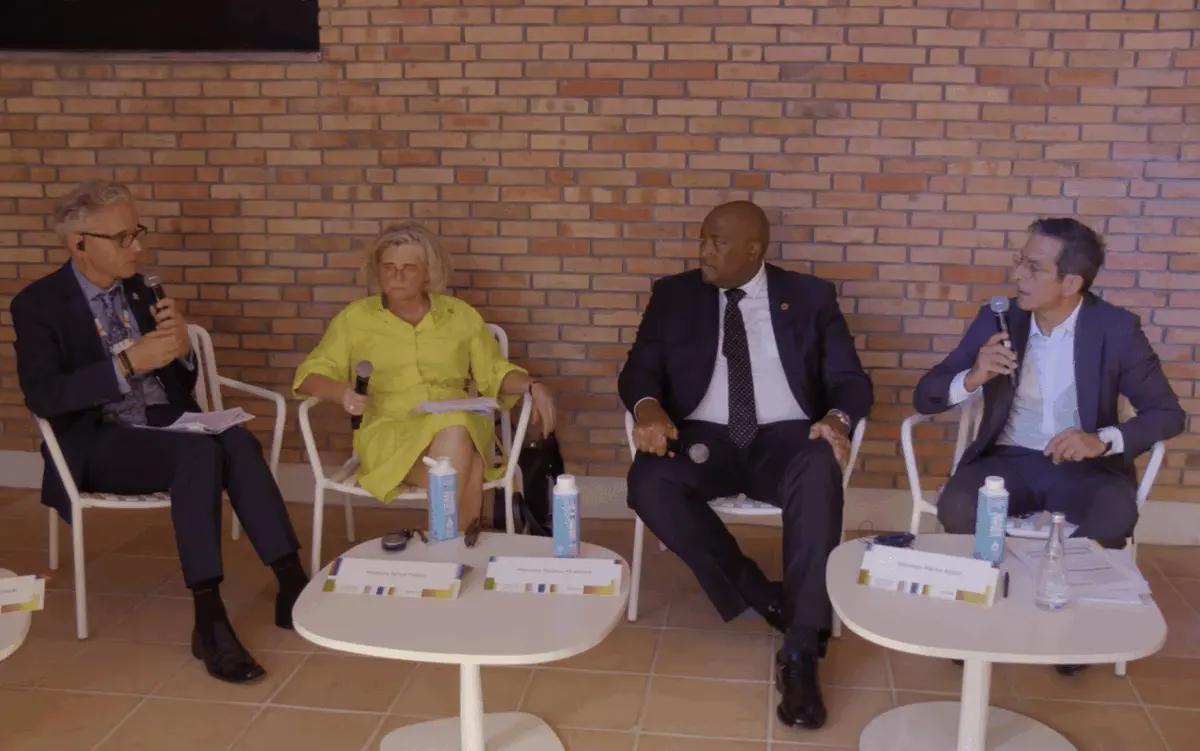
The friction became apparent during a panel session dedicated to "the race against piracy." Charles Rivkin, CEO of the Motion Picture Association (MPA) representing Hollywood’s major studios, was originally scheduled to deliver a keynote address. However, Rivkin was delayed due to a high-level presidential meeting, leaving Emilie Anthonis, the MPA’s president for Europe, Middle East, and Africa (EMEA), to fill in briefly.
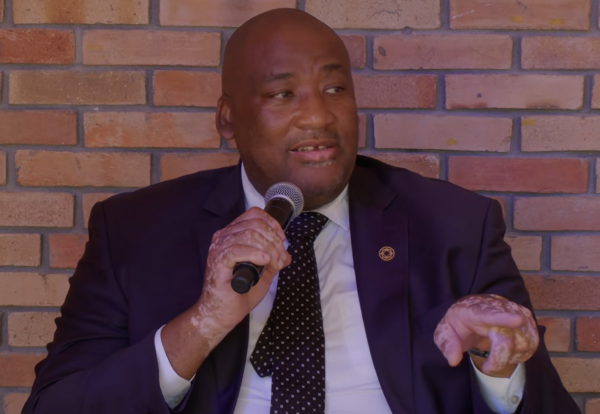
The tone of the discussion had already been established by preceding speakers, including Gayton McKenzie, South Africa’s Minister of Sport, Arts and Culture. Sharing the stage with representatives from the World Intellectual Property Organization (WIPO) and France’s audiovisual regulatory authority, ARCOM, McKenzie made it immediately clear that his presence on the panel did not signal uncritical alignment with Hollywood’s prevailing enforcement strategies.
As a representative of the South African government, McKenzie acknowledged that piracy is widely understood to be legally problematic. Yet, he took fierce issue with almost every other aspect of how the entertainment industry approaches, defines, and weaponizes the concept.
"We need to define what is piracy," McKenzie told the audience during the session. "There’s a failure by the people tasked to fight piracy not to define it definitively," he added, before pivoting to a detailed critique of what he characterized as a pervasive double standard within the global creative community.
To illustrate his point, McKenzie drew upon statements made earlier that very same day at the summit. During the opening sessions, a prominent filmmaker had addressed the audience, proudly recounting how his feature films—which are officially banned by government censors in Egypt—remain widely accessible to Egyptian audiences exclusively through piracy networks. The filmmaker expressed open gratitude that local viewers were still able to watch his work despite state-imposed censorship, a remark that was greeted with widespread applause from the industry crowd in attendance.

McKenzie highlighted a second example involving a Canadian production centered on a gay hockey player, apparently referencing the series Heated Rivalry. According to the minister, this series is now being actively pirated within countries where its distribution has been legally prohibited, drawing a similar reaction of approval from industry insiders.
Drawing on his own personal history, McKenzie recalled the dark days of South Africa’s apartheid regime, during which numerous politically and socially significant films were systematically blocked from distribution, leaving underground piracy as the sole viable channel for citizens to access independent art and information.
When dealing with banned content, censorship, and political oppression, piracy is suddenly cast in a romantic, heroic light, with filmmakers openly praising the distribution method. Yet, McKenzie noted, when economically disadvantaged populations engage in everyday piracy out of financial necessity rather than political defiance, they are immediately met with severe legal consequences, civil lawsuits, and criminal prosecution. He condemned this contradictory industry posture as "a bit schizophrenic," pointing directly to the dual standards applied by creators and rights holders depending on who benefits from the unauthorized distribution.
"Egyptians Love Piracy"
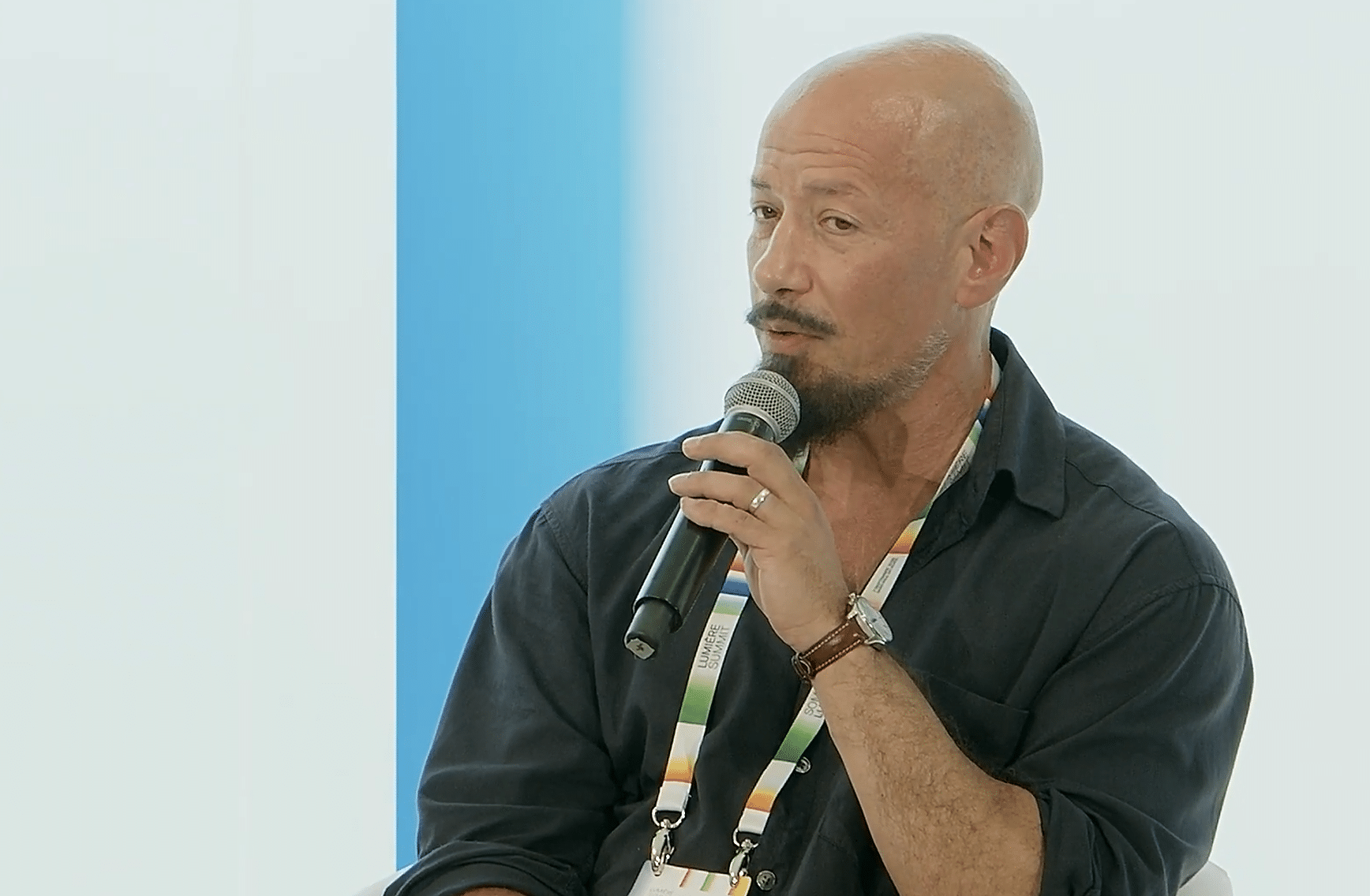
The filmmaker whose remarks sparked McKenzie’s critique was Tarik Saleh, the acclaimed Swedish-Egyptian director known for features such as The Nile Hilton Incident and Cairo Conspiracy. Both films delve deeply into sociopolitical issues set against the backdrop of Cairo, but both have faced strict bans within Egypt itself.
During the summit’s opening session, Saleh recounted the hostility he faced when attempting to launch his cinematic career in his ancestral homeland. "I was going to shoot my first film in Egypt and I was asked to leave. Uh, I’m putting it nicely. I mean, they said, ‘Get the f*ck out of here,’" Saleh told the audience, explaining how he was ultimately forced to relocate his production operations to Morocco.
Saleh added that ordinary Egyptian citizens are nevertheless able to experience his cinematic work entirely due to unauthorized copying and distribution, a reality he views with pragmatic humor rather than alarm.
"Here is where piracy comes into the picture in a little reversed way. Egyptians love piracy, which is working very well for me," Saleh said, drawing laughter from portions of the room. However, his remarks did not receive the universal applause noted by McKenzie. Instead, the session’s moderator quickly intervened, suggesting that the regulatory experts appearing on the afternoon piracy panel might wish to address the complex nuance of censored markets. Ultimately, none of the regulators brought it up during their prepared remarks—leaving it to Minister McKenzie to thrust the contradiction back into the spotlight.
"We’re Not Children"
McKenzie’s second major critique was directed squarely at the international regulators seated beside him on the stage. Martin Ajdari, chair of France’s ARCOM, had earlier outlined the agency’s aggressive enforcement track record, highlighting that the regulator had issued more than 22,000 online blocking and delisting injunctions over a five-year period, with roughly 10,000 orders executed in 2026 alone. Ajdari also reported that the domestic piracy audience in France had been slashed in half since 2018.
While acknowledging these enforcement milestones as impressive technical achievements, McKenzie stressed that localized successes in wealthy Western nations mean very little if developing nations are left to navigate structural challenges alone while facing external pressure. He employed a nautical analogy to illustrate the interdependence of the global digital ecosystem, comparing the international community to two passengers sharing a boat that is actively taking on water on only one side.
"We on the same boat. We both hate piracy," McKenzie said. "The boat is leaking on our side and you are praising, like, where we are sitting we’ve done this."
The South African minister also took aim at the historical and ongoing pressure exerted on developing economies to rapidly adopt rigid Western intellectual property standards. This critique followed a presentation by WIPO deputy director general Sylvie Forbin, who detailed some of the strict regulatory conditions attached to General Agreement on Tariffs and Trade and World Trade Organization membership during the 1990s. The historical framing appeared to strike a nerve with McKenzie, who firmly pushed back against patronizing international compliance frameworks.
"Don’t try to punish us like we are children, because we are not children," he stated, emphasizing that sovereignty and economic reality must be respected in global policy discussions.
South Africa has recent, direct experience with this exact brand of international pressure. In 2020, powerful United States copyright lobbying groups petitioned Washington to review South Africa’s trade preferences under the Generalized System of Preferences, arguing that the broad fair use provisions introduced in South Africa’s pending copyright reform legislation infringed too heavily upon traditional U.S. copyright norms.
"We Are Not Beggars"
Toward the conclusion of the panel, McKenzie was careful to clarify that South Africa’s cautious stance on foreign-led anti-piracy dictates has nothing to do with financial limitations. The South African government possesses adequate state resources to fund robust anti-piracy infrastructure, noting that the nation could easily allocate funds comparable to those spent by Sweden or the United Kingdom. Instead, the core issue is one of mutual respect and diplomatic parity.
"We don’t lack the money. There are countries that lack the money," McKenzie explained. "কিন্তু we don’t want to be treated like, here’s money for you, do one, two, three. We want you also to listen to our ideas."
"We are not beggars," he emphasized. "We want a partnership of equals."
Highlighting ongoing domestic efforts, McKenzie noted that the South African government is already actively collaborating with major pay-TV provider Canal+ to combat unauthorized broadcasting of live football matches, pointing out that stern anti-piracy warning messages now air prior to every televised sporting fixture in the country. South Africa remains fully willing to assist in the global fight against commercial digital piracy, provided the nation is approached and treated as a serious, sovereign partner rather than a subordinate state.
The Lumière Summit officially concluded with the formal signing of a declaration intended to strengthen international cooperation against film and audiovisual piracy. However, this voluntary diplomatic agreement contains no binding hard commitments, and for the time being, it has not been signed by any official representative of the South African government.
Video recordings of all panel discussions from the Lumière Summit remain publicly accessible via the event’s official website, with quotes utilized in this report independently transcribed from the official summit archives.